✓ ADHD in women often presents differently than in men, frequently leading to underdiagnosis.
✓ Symptoms can be masked by coping mechanisms, societal expectations, and co-occurring conditions.
✓ Executive function challenges, emotional dysregulation, and internal restlessness are common.
✓ Late diagnosis in adulthood is prevalent, often following struggles with daily life and relationships.
How It Works
1
Recognize the Nuances
Learn to identify the less obvious signs of ADHD that are common in women, such as perfectionism, anxiety, or internal hyperactivity. These can often be mistaken for other conditions.
2
Document Your Experiences
Keep a detailed journal of your daily struggles, patterns, and historical challenges from childhood. This evidence will be crucial when discussing your concerns with a professional.
3
Seek Professional Assessment
Consult with a psychiatrist, psychologist, or medical doctor specializing in adult ADHD. They can conduct a comprehensive evaluation to accurately diagnose or rule out ADHD.
4
Explore Support & Strategies
Once diagnosed, work with a professional to develop a personalized treatment plan, which may include therapy, medication, coaching, and lifestyle adjustments. This will help manage symptoms effectively.
The Unique Presentation of ADHD in Adult Women
Photo: Anna Shvets / Pexels
For far too long, the narrative surrounding Attention-Deficit/Hyperactivity Disorder (ADHD) has been largely shaped by its presentation in young boys: hyperactive, disruptive, and overtly inattentive. This narrow view has unfortunately led to a significant underdiagnosis and misdiagnosis of ADHD in girls and, subsequently, in adult women. The reality is that ADHD in women often manifests in subtle, internalized, and less outwardly disruptive ways, making it a 'chameleon condition' that can blend into other diagnoses or be dismissed as personality quirks. Many women reach adulthood feeling overwhelmed, anxious, or perpetually behind, without ever understanding the root cause of their struggles. They might be high-achievers who constantly feel like they're barely treading water, or they may struggle with seemingly simple tasks, leading to feelings of inadequacy and shame. The 'hyperactivity' often associated with ADHD in males can present as an internal restlessness or a 'racing mind' in women, rather than physical fidgeting or impulsivity. This internal experience is less visible to others, and even to the women themselves, who may have spent a lifetime developing sophisticated coping mechanisms to mask their challenges. These coping strategies, while effective in the short term, are often exhausting and unsustainable, contributing to burnout, anxiety, and depression. Recognizing these unique presentations is the first critical step toward accurate diagnosis and effective support. It’s about understanding that ADHD isn't just about difficulty focusing on homework; it's about a neurobiological difference that impacts executive functions, emotional regulation, and self-management across all areas of life. Women with ADHD are often adept at 'masking' their symptoms, consciously or unconsciously trying to appear 'normal' or 'put together' to meet societal expectations. This can involve overcompensating, working twice as hard to achieve the same results as their neurotypical peers, or developing intricate systems to manage tasks that others find effortless. This constant effort can be incredibly draining, leading to chronic stress and exhaustion. The societal pressure on women to be organized, nurturing, and emotionally stable can exacerbate the feeling of failure when ADHD symptoms interfere with these expectations. Internalizing these struggles, women may blame themselves, believing they are lazy, incompetent, or simply 'not good enough.' This self-blame further complicates the diagnostic process, as it often leads to seeking help for secondary issues like anxiety or depression, rather than the underlying ADHD. Understanding these intricate dynamics is paramount for anyone seeking to understand the complexities of adult ADHD in women. It shifts the focus from a purely behavioral understanding to a more nuanced, empathetic recognition of internal experience and societal influence. The journey to diagnosis often begins with a woman realizing that despite her best efforts, she continues to face persistent challenges that seem disproportionate to her intelligence or capabilities. This realization is often a pivotal moment, opening the door to exploring ADHD as a potential explanation for a lifetime of unexplained struggles. It’s a journey from self-blame to self-understanding, and ultimately, to self-compassion and effective management strategies.
Beyond Hyperactivity: Common Behavioral and Emotional Signs
Photo: Kindel Media / Pexels
While the traditional image of ADHD involves overt hyperactivity, the signs of adult ADHD in women often manifest as a complex interplay of behavioral and emotional symptoms that are less visible and frequently misinterpreted. One of the most prevalent signs is *inattentiveness*, but not necessarily in the way one might expect. Instead of being unable to sit still, women might experience an inability to sustain focus on tasks they find uninteresting, leading to procrastination, missed deadlines, or difficulty completing projects. This can coexist with hyperfocus on topics they are passionate about, creating a confusing dichotomy that can make self-diagnosis challenging. This selective attention can make it seem like a woman 'can focus when she wants to,' leading others (and herself) to believe her struggles are due to a lack of effort or discipline, rather than a neurological difference. Organizational difficulties are another hallmark. While many people struggle with organization occasionally, for women with ADHD, it can be a chronic, pervasive issue affecting all aspects of life. This might manifest as a perpetually cluttered home or workspace, difficulty managing finances, losing important items regularly, or a chaotic schedule. Despite repeated attempts to get organized, these efforts often fail, leading to feelings of frustration and inadequacy. Time blindness, a difficulty perceiving and managing the passage of time, also plays a significant role. This can result in consistently being late, underestimating how long tasks will take, or missing appointments, despite a genuine desire to be punctual. This isn't a deliberate act of disrespect but a genuine cognitive challenge. Emotional dysregulation is a profoundly impactful, yet often overlooked, sign of ADHD in women. This can include heightened emotional sensitivity, intense reactions to perceived criticism, difficulty managing stress, sudden mood swings, or an overwhelming sense of feeling 'too much.' These emotional responses can be misdiagnosed as anxiety disorders, depression, or even bipolar disorder, further delaying an accurate ADHD diagnosis. The internal experience of restlessness, a 'racing mind,' or feeling overwhelmed by thoughts is also common. This internal hyperactivity can make it difficult to relax, fall asleep, or engage in quiet activities. Women might find themselves constantly seeking stimulation, whether through busy schedules, excessive screen time, or engaging in multiple tasks simultaneously, not out of choice, but out of a need to quiet their internal world. Impulsivity, while often associated with overt actions, can manifest in women as impulsive spending, interrupting others, making hasty decisions, or engaging in risky behaviors without fully considering the consequences. This can impact relationships, financial stability, and overall well-being. Understanding these nuanced behavioral and emotional signs is crucial for women and healthcare providers to recognize the true scope of ADHD beyond its traditional, male-centric stereotype. It highlights the deeply personal and often hidden struggles that define the experience of ADHD for many women.
The Impact of Undiagnosed ADHD and Paths to Diagnosis
The long-term impact of undiagnosed ADHD on adult women can be profound, affecting mental health, relationships, career, and overall quality of life. Many women spend years, even decades, struggling with symptoms they don't understand, often leading to a cascade of secondary issues. Chronic anxiety and depression are incredibly common co-occurring conditions, frequently stemming from the constant effort to manage ADHD symptoms, the repeated failures despite best efforts, and the pervasive feeling of not being 'good enough.' The constant battle against disorganization, procrastination, and emotional dysregulation can lead to low self-esteem, burnout, and a sense of isolation. Relationships can suffer as a result of ADHD symptoms. Difficulty with active listening, impulsivity in communication, emotional outbursts, or chronic lateness can strain friendships, romantic partnerships, and family dynamics. Women with undiagnosed ADHD may struggle with maintaining long-term relationships, or find themselves in relationships where their needs are not met, often due to their own difficulty articulating their struggles or feeling worthy of support. Career challenges are also prevalent. Despite intelligence and capability, women with ADHD may struggle to meet deadlines, maintain organization, or manage complex projects. They might frequently change jobs, feel stuck in unfulfilling roles, or experience underemployment, leading to financial instability and a sense of unfulfilled potential. The cumulative effect of these struggles can lead to a pervasive sense of shame and guilt, further internalizing the belief that something is inherently wrong with them. This cycle can be incredibly difficult to break without an accurate diagnosis and appropriate support. The path to diagnosis for adult women with ADHD often begins with a moment of realization – perhaps reading an article, hearing a friend's story, or recognizing patterns in their own children that mirror their own experiences. This 'aha' moment can be transformative, but it's just the beginning. The diagnostic process typically involves a comprehensive evaluation by a qualified healthcare professional, such as a psychiatrist, psychologist, or neurologist specializing in adult ADHD. This evaluation is far more than a simple questionnaire; it often includes a detailed clinical interview to gather information about current symptoms, developmental history (including childhood experiences), family history of ADHD, and a review of educational and occupational history. Standardized rating scales, cognitive tests, and sometimes even interviews with family members (with consent) can also be part of the assessment to provide a holistic picture. It's crucial to find a clinician who is knowledgeable about the unique presentation of ADHD in women, as many general practitioners may still operate under the outdated male-centric understanding of the condition. Women should feel empowered to advocate for themselves and seek a second opinion if they feel their concerns are being dismissed. A proper diagnosis is not just a label; it's a key that unlocks understanding, validates a lifetime of struggle, and opens the door to effective treatment and support strategies. It shifts the narrative from 'what's wrong with me?' to 'how can I manage this?'. This validation can be incredibly healing, allowing women to shed the burden of self-blame and begin to build a life that accommodates their neurodiversity. For more on navigating these challenges, consider resources on managing adult ADHD. The journey to diagnosis can be challenging, but it is a vital step towards self-acceptance and empowerment, paving the way for targeted interventions that can significantly improve quality of life.
Strategies for Managing Adult ADHD in Women: Embracing Your Neurodiversity
Receiving an ADHD diagnosis as an adult woman can be a revelation, bringing a sense of relief and clarity, but it also marks the beginning of a journey towards effective management. The goal isn't to 'cure' ADHD, but to develop strategies that help navigate its challenges and leverage its strengths. Embracing neurodiversity means recognizing that your brain works differently, not defectively, and finding ways to thrive within that framework. This often involves a multi-faceted approach combining therapy, medication, lifestyle adjustments, and self-compassion.
**Therapeutic Interventions:**
* **Cognitive Behavioral Therapy (CBT):** CBT is highly effective for ADHD. It helps women identify and challenge negative thought patterns, develop coping mechanisms for emotional dysregulation, and improve executive function skills like planning and organization. It also addresses co-occurring conditions like anxiety and depression.
* **ADHD Coaching:** A specialized ADHD coach can provide practical, tailored strategies for time management, organization, task initiation, and goal setting. Coaches offer accountability and help translate therapeutic insights into actionable steps in daily life.
* **Dialectical Behavior Therapy (DBT):** For women struggling with significant emotional dysregulation, DBT can teach skills in mindfulness, distress tolerance, emotion regulation, and interpersonal effectiveness.
**Medication Management:**
* Stimulant and non-stimulant medications can be highly effective in managing core ADHD symptoms such as inattention, impulsivity, and hyperactivity. These medications work by affecting neurotransmitters in the brain, improving focus and self-regulation. It's crucial to work with a psychiatrist to find the right medication and dosage, as responses can vary.
**Lifestyle Adjustments and Self-Care:**
* **Structured Routines:** Establishing consistent daily routines for sleep, meals, and work can provide external structure that compensates for internal organizational challenges. Using planners, calendars, and reminders extensively is key.
* **Physical Activity:** Regular exercise is a powerful tool for managing ADHD symptoms, improving focus, reducing anxiety, and regulating mood.
* **Mindfulness and Meditation:** Practices like mindfulness can help improve attention, reduce impulsivity, and manage emotional reactivity by fostering a greater awareness of internal states.
* **Nutrition and Sleep:** A balanced diet and adequate sleep are foundational for brain health and can significantly impact ADHD symptom severity. Prioritize consistent sleep schedules.
* **Environment Optimization:** Create an organized, clutter-free environment that minimizes distractions. Use visual cues, labels, and designated places for items to reduce cognitive load.
**Building a Support System:**
* Connecting with other women who have ADHD can provide invaluable validation, shared strategies, and a sense of community. Support groups, online forums, and local meetups can be incredibly beneficial.
* Educating loved ones about ADHD can foster understanding and empathy, leading to more supportive relationships. Clear communication about your needs and challenges is vital.
**Embracing Strengths:**
* Women with ADHD often possess incredible strengths, including creativity, resilience, hyperfocus (on engaging tasks), intuition, and a unique perspective. Recognizing and leveraging these strengths can be empowering. For example, channeling hyperfocus into passion projects or creative endeavors. It's about reframing the narrative from deficit to difference and finding ways to thrive with your unique neurotype. This holistic approach empowers women to not only manage their ADHD but to truly flourish, living authentic and fulfilling lives.
Comparison
Feature
ADHD in Women (Typical)
ADHD in Men (Typical)
Misdiagnosis Risk
Primary Presentation
Inattentive, internalized hyperactivity
Hyperactive, impulsive, externalized
High
Emotional Impact
Anxiety, depression, emotional dysregulation
Frustration, anger, behavioral issues
High (for women)
Coping Mechanisms
Masking, perfectionism, overcompensation
Outward disruption, risk-taking
Medium
Social Impact
People-pleasing, relationship struggles
Conflict, difficulty with authority
Medium
Diagnosis Age
Later in adulthood
Childhood or adolescence
Often delayed
What Readers Say
★★★★★
"Reading about the signs of adult ADHD in women was like someone finally put words to my entire life experience. I always thought I was just 'bad at adulting,' but now I understand my struggles with organization and emotional overwhelm."
Sarah L. · Austin, TX
★★★★★
"This article was incredibly helpful. I'd been misdiagnosed with anxiety for years, but the description of internal restlessness and chronic procrastination resonated deeply. It's given me the courage to seek a proper evaluation."
Jessica M. · Chicago, IL
★★★★★
"After reading this, I pursued a diagnosis and it completely changed my life. Understanding the unique signs of adult ADHD in women allowed me to get the right support, and I've seen a huge improvement in my focus and emotional stability."
Emily R. · Seattle, WA
★★★★★
"While I recognized many signs, some still felt a bit broad. However, the emphasis on emotional dysregulation and masking was spot-on and helped me connect the dots between my anxiety and potential ADHD. Very informative overall."
Olivia P. · Denver, CO
★★★★★
"As a therapist, I found this article invaluable for understanding my female clients who present with ADHD. It clearly articulates the subtle signs and impacts, which will greatly assist in more accurate assessments and tailored support."
Chloe K. · New York, NY
Frequently Asked Questions
Why are signs of adult ADHD in women often missed or misdiagnosed?
ADHD in women often presents differently than in men, frequently lacking the overt hyperactivity traditionally associated with the condition. Women may internalize symptoms, developing sophisticated coping mechanisms or 'masking' their struggles to meet societal expectations. Symptoms like inattentiveness, emotional dysregulation, and internal restlessness can easily be mistaken for anxiety, depression, or hormonal issues, leading to misdiagnosis or delayed diagnosis until adulthood.
Can ADHD in women be mistaken for anxiety or depression?
Yes, very frequently. Many symptoms of ADHD in women, such as chronic overwhelm, difficulty concentrating, irritability, and mood swings, overlap significantly with symptoms of anxiety and depression. Often, anxiety and depression are secondary conditions that develop as a result of unmanaged ADHD, making it challenging to differentiate the primary cause without a comprehensive evaluation that considers the full spectrum of ADHD presentation in women.
What are some practical steps to take if I suspect I have adult ADHD?
If you suspect you have adult ADHD, start by documenting your experiences. Keep a detailed journal of your symptoms, how they impact your daily life, and any challenges you've faced since childhood. Next, seek a referral to a healthcare professional specializing in adult ADHD, such as a psychiatrist or psychologist. Be prepared to discuss your history thoroughly and advocate for yourself if you feel your concerns are not being fully addressed.
Is ADHD in women treatable, and what does treatment involve?
Yes, ADHD in women is highly treatable, and treatment can significantly improve quality of life. A comprehensive treatment plan often includes medication (stimulant or non-stimulant), therapy (such as CBT or ADHD coaching), and lifestyle adjustments. Therapy helps develop coping strategies, manage emotional regulation, and improve organizational skills, while medication can help balance brain chemistry to improve focus and reduce impulsivity. Lifestyle changes like routine, exercise, and mindfulness also play a crucial role.
How does ADHD affect relationships for adult women?
ADHD can impact relationships in various ways, often due to symptoms like difficulty with active listening, impulsivity in communication, emotional dysregulation (leading to perceived overreactions), forgetfulness, or chronic lateness. These can lead to misunderstandings, conflict, and feelings of inadequacy or resentment. Open communication, education of partners, and developing strategies to manage these symptoms are vital for healthier relationships.
Who should I consult for an ADHD diagnosis as an adult woman?
It's best to consult with a mental health professional who specializes in adult ADHD. This could be a psychiatrist, a psychologist, or a neurologist. It's important to find a clinician who is knowledgeable about the unique ways ADHD presents in women, as their diagnostic criteria and assessment methods may be more attuned to these nuances compared to general practitioners.
Are there any risks associated with undiagnosed ADHD in women?
Yes, there are significant risks. Undiagnosed ADHD can lead to chronic anxiety, depression, low self-esteem, substance abuse, eating disorders, and strained relationships. It can also impact career stability, financial management, and overall physical health due to chronic stress and difficulty with self-care. Early diagnosis and intervention can mitigate many of these long-term negative consequences.
What are some emerging trends in understanding ADHD in women?
Emerging trends include a greater recognition of the hormonal influence on ADHD symptoms, particularly around puberty, menstruation, pregnancy, and menopause, which can exacerbate or alter symptom presentation. There's also an increasing focus on the role of trauma and its overlap with ADHD symptoms, and a growing emphasis on neurodiversity-affirming approaches that focus on strengths rather than solely on deficits, empowering women to embrace their unique brain wiring.
If you recognize yourself in the signs of adult ADHD in women, know that you are not alone, and help is available. Taking the first step towards understanding and diagnosis can unlock a path to greater self-awareness, effective strategies, and a more fulfilling life. Don't let your struggles remain unexplained; explore the possibility of ADHD and find the support you deserve.

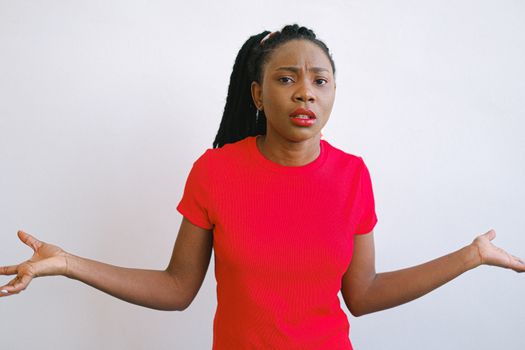 Photo: Anna Shvets / Pexels
 Photo: Kindel Media / Pexels