Inspiring Hobbies for Adults to Try for a Richer Life
hobbies for adults to try

Inspiring Hobbies for Adults to Try for a Richer Life

Unleash your potential and rediscover joy by exploring a world of engaging activities designed for adult enrichment.

Find Your Next Passion

Key Takeaways

  • ✓ Engaging in hobbies significantly reduces stress and improves mental well-being.
  • ✓ Learning new skills as an adult boosts cognitive function and brain health.
  • ✓ Hobbies provide opportunities for social connection and community building.
  • ✓ Even small time commitments to a hobby can lead to profound personal satisfaction.

How It Works

1
Reflect on Your Interests & Values

Consider what truly excites you, what you've always wanted to try, or what aligns with your personal values. This initial introspection is crucial for finding a truly fulfilling hobby.

2
Research and Explore Options

Dive into the vast world of hobbies. Look up local classes, online tutorials, or community groups that offer introductions to various activities. Don't be afraid to try something completely new.

3
Start Small and Experiment

You don't need to commit heavily from day one. Many hobbies can be started with minimal investment, allowing you to sample them before fully diving in. Give yourself permission to experiment and see what sticks.

4
Integrate into Your Routine

Once you find a hobby you enjoy, schedule dedicated time for it, even if it's just 30 minutes a week. Consistency builds skill and deepens enjoyment, turning a casual interest into a cherished part of your life.

Rediscovering Joy: Creative Hobbies for Adults
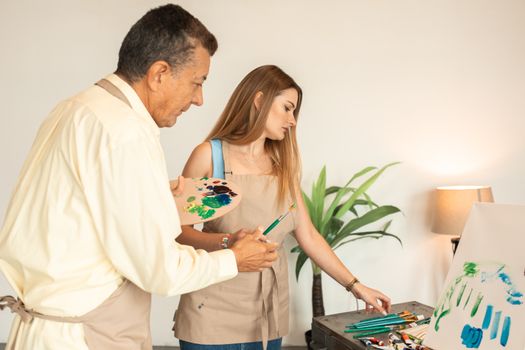
Art instructor guiding student in studio with canvas and paint, enhancing creativity and technique. Photo: RDNE Stock project / Pexels
In the hustle and bustle of modern adult life, it's easy to lose touch with our inner artist, our playful side, or simply the joy of creating something with our own hands. Creative hobbies offer a powerful antidote to stress and a unique pathway to self-expression. They don't require innate talent; rather, they thrive on curiosity, practice, and the willingness to explore. Engaging in creative activities has been scientifically linked to reduced anxiety, improved mood, and enhanced problem-solving skills. The beauty of creative pursuits lies in their diversity. For instance, painting, drawing, or sculpting allows for visual expression, playing with colors, forms, and textures to bring inner visions to life. You could explore traditional mediums like oils or watercolors, or venture into digital art with a tablet and stylus. Photography is another fantastic creative outlet, encouraging you to see the world through a new lens, capturing moments, and telling stories without words. Learning about composition, lighting, and editing can be deeply rewarding. Beyond visual arts, consider the world of crafts. Knitting, crocheting, pottery, or jewelry making are not only meditative but also result in tangible, often functional, creations. There's immense satisfaction in wearing a scarf you knitted or gifting a ceramic mug you molded. Writing, whether poetry, short stories, or even journaling, is a profound way to process thoughts, develop narratives, and hone communication skills. It's a private world where imagination knows no bounds. Music, too, offers endless creative avenues. Learning an instrument, composing songs, or even joining a community choir can be incredibly cathartic and socially enriching. The act of making music engages multiple parts of the brain and provides a unique form of emotional release. The key is to approach these activities with an open mind, focusing on the process and personal enjoyment rather than striving for perfection. Many local community centers, art studios, and online platforms offer beginner-friendly classes, making it easier than ever to dip your toes into a new creative endeavor. Don't underestimate the power of a creative hobby to inject fun, meaning, and a sense of accomplishment back into your daily routine. It's about giving yourself permission to play and explore, fostering a deeper connection with your authentic self. Explore adult art classes near you.

Boosting Your Brain & Body: Active and Skill-Based Hobbies

A young man intensely focused on typing on his laptop while seated on a couch indoors. Photo: Startup Stock Photos / Pexels
For those seeking to challenge themselves physically or intellectually, active and skill-based hobbies provide a fantastic outlet. These activities not only offer tangible benefits for physical and mental health but also foster a sense of achievement and continuous learning. Physical hobbies are a great way to stay fit, improve cardiovascular health, and boost energy levels, often without the monotony of traditional gym workouts. Consider activities like hiking, cycling, or swimming, which allow you to enjoy nature while getting a great workout. Joining a recreational sports league, such as soccer, basketball, or volleyball, can provide both physical activity and a strong sense of community and teamwork. Martial arts like Judo, Karate, or Tai Chi offer a blend of physical discipline, mental focus, and self-defense skills. Even dancing, from ballroom to hip-hop, is an excellent full-body workout that improves coordination and rhythm. The endorphin rush from physical activity is a natural mood enhancer and stress reliever, making these hobbies particularly beneficial for overall well-being. On the intellectual front, skill-based hobbies stimulate cognitive function, enhance problem-solving abilities, and keep your mind sharp. Learning a new language is a prime example, opening up new cultural perspectives and improving memory and multitasking skills. Programming or coding, often perceived as highly technical, can be a incredibly creative and logical pursuit, allowing you to build websites, apps, or automate tasks. Chess or other strategy board games provide intense mental workouts, requiring foresight, planning, and critical thinking. Playing musical instruments, while also creative, is highly skill-based, demanding coordination, auditory processing, and dedication. Even something as seemingly simple as gardening can be surprisingly skill-intensive, requiring knowledge of botany, soil science, and environmental conditions, leading to bountiful harvests and beautiful landscapes. The internet is a treasure trove of resources for these hobbies, from free language apps to coding bootcamps and gardening forums. Local colleges and community centers also offer a wide array of classes, from woodworking to astronomy clubs. The beauty of these hobbies is the continuous progression—there's always more to learn, new challenges to conquer, and greater mastery to achieve. They offer a profound sense of accomplishment and contribute significantly to lifelong learning and personal development.

Connecting and Contributing: Social and Community Hobbies

Elderly couple enjoying gardening together in a vibrant urban vegetable garden. Photo: Kampus Production / Pexels
Human beings are inherently social creatures, and while solitary hobbies have their place, engaging in activities that foster connection and contribution can significantly enhance overall happiness and well-being. Social and community hobbies provide opportunities to meet like-minded individuals, build supportive networks, and make a positive impact on the world around you. This category is particularly potent for combating feelings of isolation and loneliness, which can be prevalent in adult life. Volunteering is perhaps one of the most rewarding community-based hobbies. Whether it's at an animal shelter, a food bank, a local library, or an environmental clean-up, dedicating your time to a cause you care about not only helps others but also provides a deep sense of purpose and fulfillment. It's a direct way to see the impact of your efforts and connect with people who share your values. Joining a club or group centered around a shared interest is another excellent avenue. Book clubs offer stimulating discussions and intellectual camaraderie. Hiking clubs provide a chance to explore nature with company. Gaming groups, whether for board games, role-playing games, or video games, create a fun and interactive social environment. Cooking classes or supper clubs combine the pleasure of food with the joy of shared experience and learning. Even simply joining a local fitness class like yoga, Zumba, or spinning can evolve into a social hobby as you build rapport with fellow participants and instructors. These settings naturally lead to conversations, shared experiences, and often, lasting friendships. Participating in community events, festivals, or local government meetings can also be a way to engage more deeply with your surroundings and meet new people. Consider starting your own small interest group if you can't find one that fits—you'll be surprised how many others might share your niche interest. The rise of online platforms has also made it easier to find and connect with groups, though the most profound benefits often come from in-person interactions. The key takeaway is that these hobbies are not just about the activity itself, but about the bonds formed and the collective experience. They can provide a sense of belonging, support, and shared identity, which are crucial components of a fulfilling adult life. Remember that engaging with your community, even in small ways, can lead to significant personal growth and a richer, more connected existence. Find local volunteering opportunities.

Navigating the Hobby Landscape: Tips and Common Pitfalls

A man and woman engaged in painting as a hobby in a bright, indoor studio setting. Photo: Thirdman / Pexels
Embarking on a journey to find new hobbies for adults to try is exciting, but it can also feel overwhelming. To ensure a positive and sustainable experience, consider these practical tips and be aware of common pitfalls. **Tips for Success:** * **Start Small:** Don't invest heavily in equipment or long-term commitments for a new hobby until you're sure you enjoy it. Many activities can be sampled with minimal upfront cost. * **Embrace Imperfection:** The goal isn't to be a master overnight. Focus on the joy of learning and the process, not just the outcome. Progress, not perfection, is the key. * **Schedule It:** Just like any important appointment, block out time for your hobby in your calendar. Consistency helps build a routine and reinforces the habit. * **Join a Community:** Look for classes, clubs, or online forums related to your hobby. Learning from others and sharing experiences can significantly enhance your enjoyment and motivation. * **Be Patient:** Learning new skills takes time. There will be frustrating moments, but perseverance will lead to rewarding breakthroughs. * **Listen to Yourself:** If a hobby isn't bringing you joy after a genuine attempt, it's okay to move on. The right hobby should feel energizing, not draining. **Common Pitfalls to Avoid:** * **Over-committing Too Soon:** Signing up for an expensive year-long class or buying top-tier equipment before you know if you truly love the activity can lead to wasted resources and disappointment. * **Comparing Yourself to Others:** The internet is full of experts. Resist the urge to compare your beginner efforts to someone else's years of practice. Your journey is unique. * **Waiting for Inspiration:** Inspiration often follows action. Don't wait until you feel perfectly motivated; just start, and the motivation will often follow. * **Treating it Like Another Chore:** A hobby should be a source of relaxation and enjoyment, not another item on your to-do list. If it starts feeling like work, reassess your approach or try something new. * **Fear of Failure or Judgment:** Many adults shy away from new hobbies due to a fear of not being good enough or being judged. Remember, hobbies are for personal enrichment, not public performance. Embrace the beginner's mind. By keeping these points in mind, you can navigate the exciting world of adult hobbies with greater ease and significantly increase your chances of finding activities that truly enrich your life.

Comparison

FeatureCreative HobbiesActive HobbiesSocial Hobbies
Stress ReliefHighHighMedium to High
Skill DevelopmentHighHighMedium
Social InteractionLow to MediumMedium to HighHigh
Physical ActivityLowHighMedium
Initial CostVariedVariedLow to Medium
Mental EngagementHighMedium to HighMedium

What Readers Say

"Trying out pottery has been a game-changer for me. I never thought I had a creative bone in my body, but the process of shaping clay is incredibly meditative and rewarding. It's truly one of the best hobbies for adults to try for stress relief."

Sarah J. · Austin, TX

"I picked up hiking after reading an article about hobbies for adults to try, and it's transformed my weekends. Getting out into nature and challenging myself physically has improved both my mood and my fitness. Highly recommend exploring outdoor activities!"

Mark D. · Seattle, WA

"Joining a community garden after seeing suggestions for hobbies for adults to try has brought so much joy. I've learned a ton about plants, met amazing people, and now have fresh vegetables. It's a fantastic way to connect with your neighborhood."

Emily R. · Boston, MA

"Learning to play the guitar was on my list of hobbies for adults to try for years. It's been harder than I expected, but the small victories keep me going. It's a challenging but very rewarding skill to acquire."

David L. · Denver, CO

"I was in a rut and searching for hobbies for adults to try, and stumbled upon a local dance class. It's been incredibly fun, a great workout, and a wonderful way to meet new people outside my usual circles. I feel more vibrant than ever!"

Jessica M. · Miami, FL

Frequently Asked Questions

What are the best hobbies for adults to try for stress relief?

Many hobbies offer excellent stress relief. Creative activities like painting, knitting, or journaling can be very meditative. Physical hobbies such as yoga, hiking, or swimming release endorphins, while social hobbies like joining a book club or volunteering can reduce feelings of isolation and provide a sense of purpose, all contributing to lower stress levels.

I feel like I don't have enough time for a hobby. How can I fit one into my busy schedule?

It's a common concern, but even small pockets of time can be effective. Start with just 15-30 minutes a few times a week. Many hobbies are flexible; for example, you can read a book during your commute, knit during a TV show, or take a short walk during your lunch break. The key is consistency, not necessarily long sessions.

How can I find local groups or classes for new hobbies for adults to try?

Check your local community centers, libraries, and adult education programs for classes. Websites like Meetup.com, Eventbrite, or even local Facebook groups are excellent resources for finding interest-based clubs and workshops. Don't hesitate to ask friends or colleagues for recommendations too!

Are expensive hobbies the only ones worth pursuing?

Absolutely not. Many incredibly fulfilling hobbies require minimal financial investment. Reading, hiking, birdwatching, journaling, learning a new language with free apps, or exploring public parks are all low-cost options. The value of a hobby comes from the personal enjoyment and benefits it provides, not its price tag.

What's the difference between a hobby and a casual interest?

While interests are things you find engaging, a hobby typically involves a more active, consistent, and often skill-developing engagement. A hobby is something you regularly allocate time and effort to, often with a goal of personal growth or mastery, whereas a casual interest might be something you think about but don't actively pursue.

Who should consider taking up new hobbies for adults to try?

Anyone looking to enrich their life, reduce stress, learn new skills, expand their social circle, or simply find more joy and purpose outside of work and daily responsibilities should consider a new hobby. They are beneficial for adults of all ages and backgrounds seeking personal growth and well-being.

Is it safe to try new outdoor adventure hobbies as an adult beginner?

Yes, but it's crucial to start with beginner-friendly activities and prioritize safety. Take introductory classes, go with experienced friends or guides, and ensure you have appropriate gear. Many outdoor hobbies have a range of difficulty levels, allowing you to gradually build skills and confidence in a safe manner.

What future trends are emerging in hobbies for adults?

We're seeing a rise in 'mindful' hobbies like meditation, yoga, and nature journaling, focused on well-being. Digital creative pursuits (e.g., digital art, podcasting, coding) continue to grow. There's also a strong trend towards sustainable and DIY hobbies (e.g., urban gardening, upcycling, fermentation) as people seek self-sufficiency and eco-conscious activities.

Don't let routine define your adult life. Embrace the opportunity to explore new hobbies for adults to try, unlock hidden talents, and connect with a vibrant community. Your next great passion is waiting to be discovered, promising a richer, more fulfilling existence. Start your journey today!

Topics: hobbies for adults to tryadult leisure activitiesnew skills for adultspersonal growth hobbiesstress relief activities
Leo List
Brampton weed
Adultwork EstrelaBet Vai de Bet R7 Bet Betão Galera Bet Rainbet Bet9ja Shop SportyBet BetKing Sisal Loto Foot Hollywoodbets YesPlay Odibets RushBet Jugabet BetWarrior BetCity MSport betPawa Fortebet