
How to Start an Adult Hobby: Your Ultimate Guide
Unlock personal fulfillment and reduce stress by finding and embracing a new passion that truly resonates with you.
Find Your Next HobbyKey Takeaways
- ✓ Engaging in hobbies reduces stress and improves mental well-being.
- ✓ Adult hobbies foster new skills, personal growth, and social connections.
- ✓ There's a hobby for every budget and time commitment.
- ✓ The journey of discovery is as important as the hobby itself.
How It Works
Consider your interests, past passions, and what brings you joy. Don't limit yourself; think broadly about potential activities.
Look into different hobbies that pique your interest. Understand the time, cost, and skill level involved for each.
Start small and experiment with a few chosen activities. Don't be afraid to try something new, even if it feels outside your comfort zone.
Once you find a hobby you love, dedicate time to it. Embrace the learning process and allow yourself to evolve within the activity.
The Unsung Benefits of Embracing Adult Hobbies
 Photo: Alena Darmel / Pexels
Beyond stress relief, adult hobbies are powerful catalysts for personal growth. They challenge us to learn new skills, think creatively, and solve problems in novel ways. Picking up a musical instrument, for example, improves hand-eye coordination and cognitive function. Learning a new language opens doors to different cultures and enhances memory. Even seemingly simple hobbies like gardening can teach patience, observation, and a deeper connection to nature. This continuous learning process keeps our brains active and agile, fostering a sense of accomplishment and boosting self-esteem. As we master new techniques or achieve small milestones within our chosen hobby, our confidence in other areas of life often grows as well. The sense of mastery derived from a hobby can translate into a more proactive approach to challenges at work or in personal relationships.
Furthermore, hobbies are excellent avenues for expanding social circles and building community. Many activities, from book clubs and hiking groups to crafting workshops and volunteer opportunities, are inherently social. They provide a common ground for connecting with like-minded individuals, fostering new friendships, and strengthening existing bonds. In an increasingly isolated world, these connections are invaluable for combating loneliness and enhancing our sense of belonging. Sharing a passion with others can lead to rich conversations, collaborative projects, and a supportive network that extends beyond the hobby itself. These social interactions are not just pleasant; they are fundamental to human well-being, providing emotional support and a sense of shared experience. For those wondering how to start an adult hobby, consider exploring community centers or online forums dedicated to specific interests. These can be excellent starting points for finding groups and classes. Discovering new passions can truly transform your life, offering more than just enjoyment but a holistic improvement in well-being.
Navigating the Labyrinth of Choices: How to Identify Your Perfect Hobby
 Photo: RDNE Stock project / Pexels
Next, brainstorm categories of hobbies that align with your personality and desired outcomes. Are you an introverted person who thrives on solitary pursuits like reading, writing, or collecting? Or are you an extrovert who would flourish in group settings like team sports, dance classes, or community theater? Do you prefer hands-on activities that produce a tangible result, such as woodworking, pottery, or baking? Or are you drawn to more cerebral pursuits like learning a new language, coding, or playing chess? Consider your energy levels and physical capabilities; if you're looking for something relaxing, a high-impact sport might not be the best fit initially. Don't be afraid to think outside the box and challenge preconceived notions of what a 'hobby' should be. Some people find immense satisfaction in volunteering, urban gardening, or even competitive esports. The goal is to find an activity that genuinely excites you and aligns with your values and personality.
Once you have a few ideas, the next crucial step is research and experimentation. The internet is an invaluable resource for exploring hobbies. Look up local classes, workshops, online tutorials, and community groups. Read reviews, watch videos, and get a sense of what each hobby entails. Crucially, don't commit to a significant investment of time or money upfront. Many hobbies offer introductory classes, trial periods, or inexpensive starter kits that allow you to dip your toes in before diving deep. For instance, if you're interested in painting, buy a small set of watercolors and a pad of paper before investing in an expensive easel and oil paints. If you're considering hiking, start with a local trail walk rather than immediately planning a multi-day trek. This experimental phase is vital for confirming genuine interest and ensuring the hobby is a good fit. Remember, it's perfectly okay if a hobby doesn't stick; the process of discovery is valuable in itself. The more you explore, the closer you get to discovering your ideal adult hobby that brings lasting fulfillment.
From Trial to Triumph: Practical Steps for Starting Your New Passion
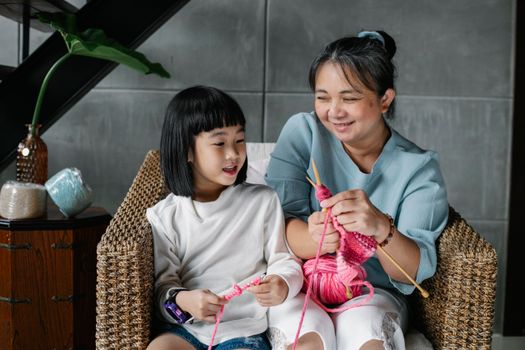 Photo: Alex Green / Pexels
Next, gather the necessary resources, but don't overspend initially. Many hobbies can be started with minimal investment. For example, if you're interested in writing, all you truly need is a pen and paper or a computer. If you're exploring photography, your smartphone camera is an excellent starting point. As you progress and confirm your interest, you can gradually invest in more specialized equipment. Look for second-hand options, borrow from friends, or utilize public resources like libraries for books on your chosen topic or even tools. Joining online communities or local groups can also provide access to shared resources and expert advice, helping you navigate initial setup costs and learning curves. For example, if you're looking into pottery, local studios often offer introductory packages that include materials and firing, making it easy to try a new adult hobby without buying a kiln.
Embrace the beginner's mindset. It's crucial to approach a new hobby with patience, curiosity, and a willingness to make mistakes. You won't be an expert overnight, and that's perfectly okay. The joy often lies in the learning process itself. Celebrate small victories, like successfully knitting your first stitch or correctly identifying a new bird species. Don't compare your progress to seasoned veterans; everyone started somewhere. Seek out beginner-friendly tutorials, classes, or mentors who can guide you. Constructive feedback is invaluable, so be open to it. If you find yourself getting frustrated, take a break and return with fresh eyes. Remember why you started: for enjoyment, personal growth, or relaxation. Allowing yourself to be a novice is an act of self-kindness and essential for sustained engagement. Finally, integrate your hobby into your life in a way that feels natural and enjoyable. Don't let it become another source of pressure. If a hobby stops bringing you joy, it's okay to pivot or explore something new. The ultimate goal is enrichment, not obligation.
Common Pitfalls and How to Sustain Your New Adult Hobby
 Photo: Mikhail Nilov / Pexels
One of the most frequent mistakes is trying to do too much too soon. Over-committing time or resources at the outset can lead to burnout and discouragement. Instead of planning to dedicate hours every day, start with short, manageable sessions. Consistency over intensity is crucial. Another pitfall is the fear of not being good enough. Comparing your nascent skills to the polished expertise of others can be demotivating. Remember that everyone starts as a beginner. Focus on your personal progress and the joy of the activity, rather than striving for perfection. Celebrate small achievements and view mistakes as learning opportunities.
Here are some tips to sustain your new adult hobby:
- Set Realistic Expectations: Understand that skill development takes time. Enjoy the process of learning rather than solely focusing on the end result.
- Find a Community: Connecting with others who share your hobby can provide motivation, support, and new learning opportunities. Online forums, local clubs, and workshops are great places to start.
- Vary Your Routine: If you feel bored or stuck, try a different aspect of your hobby, learn a new technique, or tackle a new project. Variety keeps things fresh and engaging.
- Document Your Progress: Keep a journal, take photos, or create a portfolio of your work. Seeing how far you've come can be incredibly motivating.
- Don't Be Afraid to Pivot: If a hobby truly isn't bringing you joy after a sincere effort, it's okay to move on. The goal is personal fulfillment, not sticking with something out of obligation.
- Make it a Habit: Integrate your hobby into your weekly schedule. Treat it as a non-negotiable appointment with yourself.
- Invest in Yourself (Gradually): As your passion grows, consider taking a more advanced class or purchasing better quality tools. This demonstrates commitment and enhances the experience.
By being mindful of these potential challenges and actively employing strategies to overcome them, you can ensure your new adult hobby becomes a lasting source of joy, growth, and relaxation in your life.
Comparison
| Feature | Creative Hobbies (e.g., painting) | Physical Hobbies (e.g., hiking) | Intellectual Hobbies (e.g., languages) |
|---|---|---|---|
| Initial Cost | Low to Moderate (starter kits) | Moderate (gear, apparel) | Low (apps, library books) |
| Social Interaction | Variable (solo or classes) | Moderate to High (groups, clubs) | Low to Moderate (solo or study groups) |
| Skill Development | High (artistic technique) | High (endurance, technique) | High (memory, comprehension) |
| Stress Relief Potential | ✓ | ✓ | ✓ |
| Tangible Output | High (artwork, crafts) | Low (experiences, fitness) | Low (knowledge, fluency) |
What Readers Say
"This guide truly inspired me to start painting again after years! The advice on starting small and finding a community was exactly what I needed to overcome my fears. I'm so much happier now."
Sarah J. · Austin, TX"I was stuck in a rut, but this article on how to start an adult hobby gave me the push. I picked up woodworking, and the sense of accomplishment is incredible. Highly recommend the step-by-step approach."
Michael D. · Seattle, WA"Following these tips, I joined a local hiking group. Not only am I more active, but I've made wonderful new friends. My weekends are now filled with adventure and joy, all thanks to this guide."
Emily R. · Chicago, IL"The advice on not overspending initially was spot on. I tried a few different things with minimal investment before settling on learning guitar. It's challenging but rewarding, and I appreciate the realistic expectations."
David L. · Boston, MA"As a busy professional, I thought I had no time for hobbies. This guide helped me reframe my thinking and find a creative outlet in pottery. It's my therapeutic escape, and I feel more balanced than ever."
Jessica T. · Denver, COFrequently Asked Questions
What's the best adult hobby to start for stress relief?
The 'best' hobby for stress relief is highly personal, as it depends on what you find relaxing and engaging. Common choices include mindfulness activities like meditation or yoga, creative outlets such as painting or knitting, or physical activities like walking or gardening. Experiment with a few options to see what genuinely helps you unwind and reduce tension.
I feel like I don't have enough time for a hobby. How can I make space for one?
Many adults struggle with time constraints. Start by identifying small pockets of time, even 15-30 minutes, a few times a week. Schedule your hobby time like an important appointment. Consider combining hobbies with existing routines, like listening to an educational podcast while commuting, or choosing hobbies that fit your lifestyle, such as quick sketching or journaling.
How do I know if a hobby is right for me before investing a lot of money?
Start with minimal investment. Look for introductory classes, trial memberships, or free online tutorials. Borrow equipment if possible, or purchase inexpensive starter kits. Many public libraries offer resources like books, tools, or even free passes to local attractions that can help you explore interests without significant financial commitment.
Is it ever too late to start a new adult hobby?
Absolutely not! It's never too late to learn something new or discover a passion. Many people find immense joy and personal growth by picking up hobbies later in life. Age often brings patience and a deeper appreciation for the learning process, making it an ideal time to explore new interests.
What if I try a hobby and don't enjoy it?
It's perfectly normal and acceptable to try a hobby and discover it's not for you. The goal is personal fulfillment, not obligation. Don't view it as a failure, but rather as valuable information gained. Take what you learned about your preferences and use it to guide your search for the next potential hobby.
Who should prioritize starting an adult hobby?
Anyone looking to enrich their life, reduce stress, foster personal growth, or expand their social circle can benefit from starting an adult hobby. It's particularly beneficial for individuals feeling overwhelmed by routine, seeking a creative outlet, or wanting to break out of their comfort zone and discover new passions.
Are there any risks associated with starting a new hobby?
Most hobbies carry minimal risk beyond the usual learning curve. However, for physical activities, it's wise to consult a doctor, especially if you have pre-existing conditions. Always prioritize safety, use proper equipment, and learn correct techniques. The biggest 'risk' is perhaps the emotional one of trying something new and feeling awkward at first, but the rewards far outweigh this initial discomfort.
How might adult hobbies evolve in the future?
Future adult hobbies are likely to see increased integration with technology, such as virtual reality experiences for exploration or augmented reality for learning new skills. Personalization, community-driven platforms, and sustainable, eco-conscious hobbies are also expected to grow. The line between 'work' and 'hobby' may blur further as passion projects gain more recognition.
Ready to transform your life and discover a new source of joy and fulfillment? Use this guide on how to start an adult hobby as your roadmap to explore, experiment, and embrace a passion that truly resonates with you. Your next great adventure awaits!