
Coping with Adult Loneliness: Reclaim Your Connections
Unlock actionable strategies to combat isolation and foster genuine relationships for a fulfilling life.
Start Your JourneyKey Takeaways
- ✓ Loneliness is a common human experience, not a personal failing.
- ✓ Social media can sometimes exacerbate feelings of loneliness rather than alleviate them.
- ✓ Proactive steps, even small ones, are crucial for rebuilding social connections.
- ✓ Loneliness can have significant impacts on both mental and physical health.
How It Works
Recognize that loneliness is a valid emotion and identify its potential root causes. Understanding your specific situation is the first step toward effective change.
Shift from self-blame to a proactive mindset, viewing loneliness as an opportunity for growth and connection. Challenge negative thoughts about your social worth.
Implement practical strategies to engage with others, whether through existing networks or new opportunities. Consistency in these efforts is key to building momentum.
Focus on deepening the quality of your connections and maintaining new relationships. This involves active listening, vulnerability, and mutual support.
Understanding the Nuances of Adult Loneliness
 Photo: Beyzaa Yurtkuran / Pexels
Practical Strategies for Rebuilding Social Connections
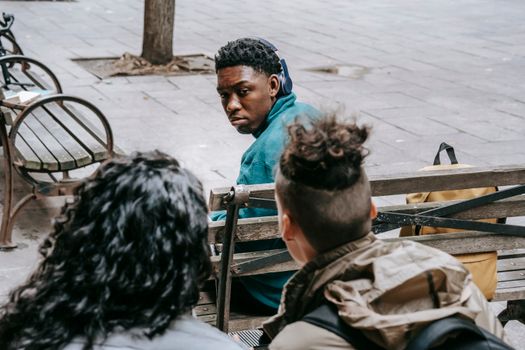 Photo: Keira Burton / Pexels
Cultivating Deeper Relationships and Inner Resilience
 Photo: fauxels / Pexels
Common Pitfalls and Best Practices for Overcoming Loneliness
 Photo: Engin Akyurt / Pexels
Comparison
| Approach to Connection | Most Effective | Moderately Effective | Least Effective |
|---|---|---|---|
| Interaction Type | In-person group activities | Online interest groups | Passive social media scrolling |
| Depth of Engagement | Vulnerable, shared experiences | Casual, frequent chats | One-off brief encounters |
| Intentionality | Proactive outreach & planning | Responding to invitations | Waiting for others to initiate |
| Focus | Mutual support & shared values | Common interests & hobbies | Self-validation & comparison |
What Readers Say
"This guide truly changed my perspective on coping with adult loneliness. I started with small steps, like joining a local book club, and now I feel so much more connected and understood. Highly recommend!"
Sarah J. · Austin, TX"After a big move, I felt incredibly isolated. The advice here on identifying existing circles and being proactive was a game-changer. I'm slowly but surely rebuilding my social life."
Mark D. · Chicago, IL"The focus on inner resilience really resonated with me. By working on my self-compassion, I found the courage to reach out, and it's made a huge difference in overcoming my loneliness."
Emily R. · Denver, CO"Good practical tips, especially on avoiding the social media trap. While it's still a work in progress for me, this article provided a solid framework and realistic expectations for tackling loneliness."
David L. · Seattle, WA"As someone who works remotely, the strategies for finding new communities were invaluable. I've found a fantastic online gaming group that meets in person, creating real bonds."
Jessica M. · Miami, FLFrequently Asked Questions
What is the main difference between loneliness and social isolation?
Loneliness is the subjective feeling of lacking connection, a perceived gap between desired and actual social relationships. Social isolation, conversely, is the objective state of having few social contacts. You can be socially isolated and not feel lonely, or be surrounded by people and still feel profoundly lonely.
Is it normal to feel lonely as an adult?
Absolutely. Loneliness is a common human experience, particularly during major life transitions, and is not a sign of personal failure. Many adults experience loneliness at some point, and recognizing it is the first step towards addressing it.
How can I start building new connections if I'm shy?
Start small. Join groups related to your interests, where common ground already exists. Focus on participation in the activity rather than forced conversation. Practice initiating brief, friendly interactions, and remember that many people feel shy too. Consistency is more important than immediate deep connections.
What if I try to connect with people and get rejected?
Rejection is a normal part of human interaction and doesn't reflect on your worth. Not every attempt at connection will succeed. Learn from the experience, don't take it personally, and continue to put yourself out there. Resilience in the face of setbacks is key.
Are online communities a good alternative to in-person connections?
Online communities can be a great starting point for finding like-minded individuals and reducing immediate feelings of isolation. However, for deeper, more fulfilling connections, striving to transition online relationships into real-world interactions whenever possible is generally more beneficial for long-term well-being.
Who should seek professional help for loneliness?
If your feelings of loneliness are persistent, overwhelming, or accompanied by symptoms of depression, anxiety, or other mental health concerns, seeking support from a therapist or counselor is highly recommended. They can provide personalized strategies and coping mechanisms.
Can loneliness impact my physical health?
Yes, chronic loneliness has been linked to several negative physical health outcomes, including increased risk of heart disease, stroke, weakened immune function, and cognitive decline. Addressing loneliness is crucial for both mental and physical well-being.
What's the future trend regarding adult loneliness?
Experts predict that adult loneliness may continue to be a significant public health challenge, partly due to changing social structures, increased digital interaction, and an aging population. However, there's a growing awareness and focus on community-building initiatives and mental health support to combat this trend.
You don't have to navigate coping with adult loneliness alone. Take the first step today to understand, connect, and build a life rich with meaningful relationships and genuine belonging. Start your journey towards a more connected you.