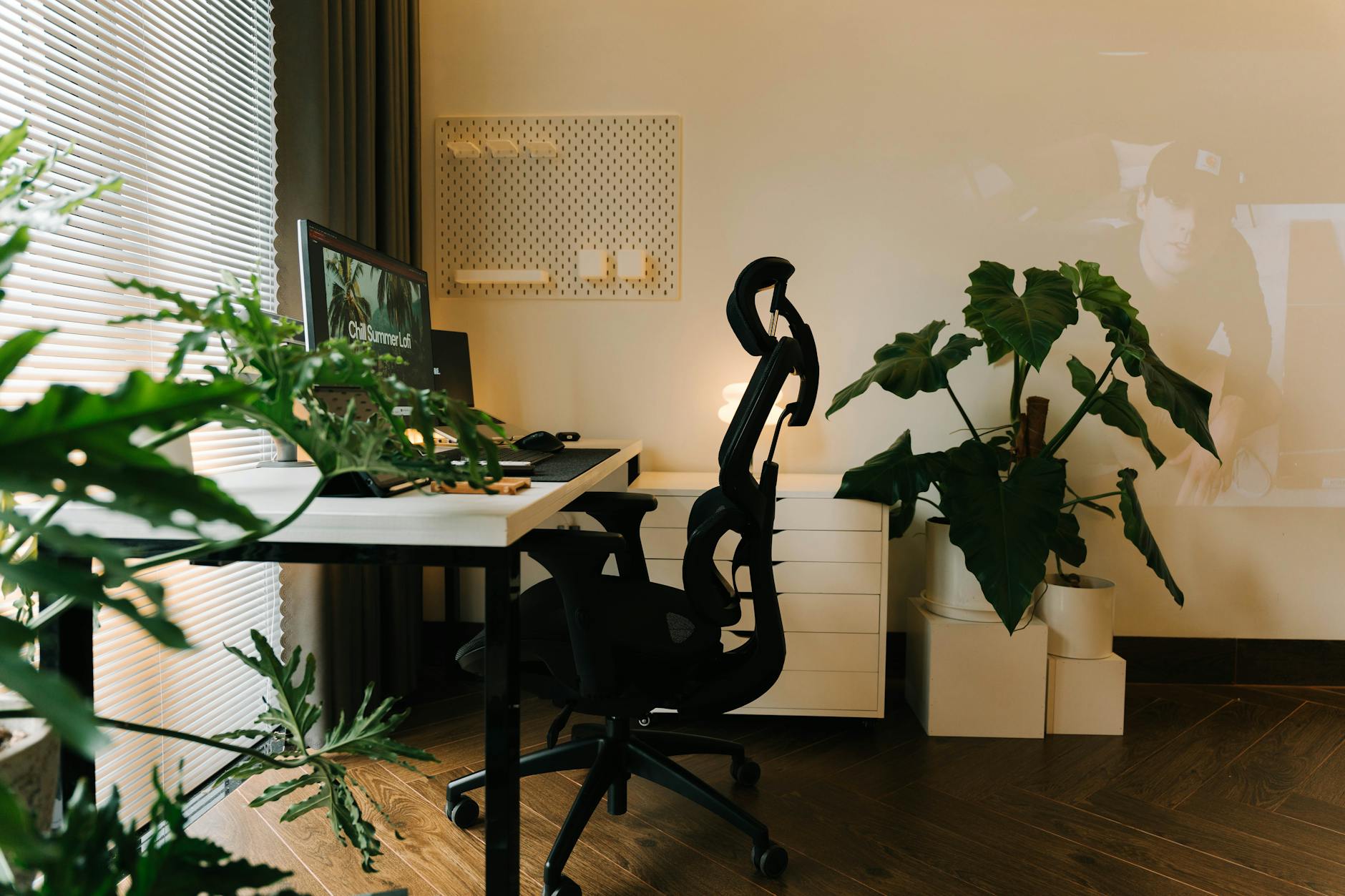
Why You Need to Buy Ergonomic Office Chair for Back Pain
buy ergonomic office chair for back pain

Why You Need to Buy Ergonomic Office Chair for Back Pain

Transform your workday and reclaim your comfort by investing in the right ergonomic chair designed for lasting back pain relief.

Find Your Perfect Chair

Key Takeaways

  • ✓ Over 80% of adults will experience back pain at some point.
  • ✓ Poor posture from inadequate seating is a leading cause of chronic back pain.
  • ✓ An ergonomic chair can reduce spinal pressure by up to 50% compared to a standard chair.
  • ✓ Investing in a quality ergonomic chair can increase productivity and decrease sick days.

How It Works

1
Understand Your Needs

Identify the specific type and location of your back pain (e.g., lower back, neck, sciatica). Consider your body type and how many hours you spend seated daily.

2
Research Key Features

Learn about essential ergonomic adjustments like lumbar support, seat depth, armrest height, and recline. Prioritize features that directly address your pain points.

3
Test and Compare Options

If possible, try chairs in person or take advantage of generous return policies. Compare different models based on comfort, adjustability, and build quality.

4
Adjust for Optimal Support

Once you have your chair, spend time fine-tuning every adjustment to perfectly fit your body. Ensure your feet are flat, and your back is fully supported.

Understanding the Root Cause: Why Your Current Chair Fails You

A cheerful man poses with a blue chair against a plain background. Studio portrait. Photo: Alexandru Molnar / Pexels
For many adults, especially those in office-based roles, the persistent dull ache or sharp jolt of back pain has become an unwelcome daily companion. This isn't just an inconvenience; it's a significant detractor from productivity, mood, and overall quality of life. The culprit, more often than not, is the very object designed to provide comfort during long hours of sitting: your office chair. Standard office chairs are typically designed with a 'one-size-fits-all' mentality, which, in reality, means they fit almost no one perfectly. They lack the nuanced adjustability required to support the complex curves of the human spine. Imagine sitting for eight hours a day, five days a week, in a position that forces your spine into an unnatural alignment. Over time, this sustained poor posture leads to a cascade of problems. Your lumbar spine, which naturally curves inward, flattens out, putting immense pressure on the intervertebral discs. Your shoulder blades round forward, straining your neck and upper back muscles. Your hips might become overly flexed, contributing to tight hip flexors and further lower back discomfort. This constant strain can lead to muscle imbalances, nerve compression, and even premature degeneration of spinal discs. The lack of proper lumbar support is perhaps the most egregious failing of conventional chairs. Without it, your lower back slumps, increasing the load on your lumbar discs. Similarly, fixed armrests that are too high or too low force your shoulders into awkward positions, leading to tension headaches and neck pain. A seat pan that's too deep can cut off circulation to your legs or prevent you from sitting all the way back, negating any potential back support. Conversely, a seat that's too shallow offers insufficient thigh support. The absence of dynamic adjustability means you're stuck in one static position, which further exacerbates issues by reducing blood flow and encouraging stiffness. An ergonomic chair, on the other hand, is engineered with the human body in mind. It acknowledges the unique contours and movements of the spine and provides customizable support to maintain a healthy posture throughout the day. It's not just a chair; it's a tool for spinal health. Investing in the right ergonomic chair is a proactive step towards mitigating these issues, offering relief from existing pain, and preventing future problems. It’s about creating an environment where your body can thrive, even during long periods of sitting. Understanding these deficiencies is the first crucial step before you buy ergonomic office chair for back pain, as it empowers you to identify what specific features you need to counteract these common failings and truly support your spinal health. The goal is to transform your sitting experience from a source of pain to a foundation of comfort and well-being, allowing you to focus on your work without the constant distraction of discomfort. This investment isn't just in a piece of furniture; it's an investment in your long-term health and productivity, ensuring that your body is supported in the way it deserves.

Key Features to Prioritize When You Buy Ergonomic Office Chair for Back Pain
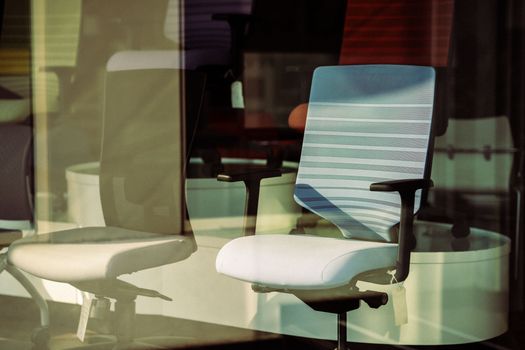
Contemporary office chairs displayed behind glass, offering modern ergonomic solutions for workspace. Photo: aboodi vesakaran / Pexels
When you decide to buy ergonomic office chair for back pain, you're not just looking for a comfortable seat; you're seeking a sophisticated piece of engineering designed to support your body's natural alignment. The market is flooded with options, making it crucial to understand the essential features that genuinely contribute to back pain relief and prevention. Without this knowledge, you might end up with an 'ergonomic' chair that offers little more than superficial comfort. The first and arguably most critical feature is adjustable lumbar support. Your lower back has a natural inward curve, and an effective ergonomic chair will provide firm, adjustable support that can be positioned precisely to fill this curve. Look for chairs with both height and depth adjustable lumbar support, allowing you to tailor it to your unique spinal shape. This prevents slouching and reduces pressure on your lumbar discs. Next, consider the seat depth and height. The seat height should be easily adjustable to allow your feet to rest flat on the floor (or a footrest) with your knees at a 90-degree angle, or slightly lower than your hips. Seat depth is equally important; there should be a 2-4 inch gap between the edge of the seat and the back of your knees when you sit all the way back. This prevents pressure on the back of your thighs and ensures proper circulation. Many high-quality ergonomic chairs offer a sliding seat pan to achieve this. Armrests are often overlooked but play a significant role in reducing upper back and neck pain. They should be adjustable in height, depth, and pivot (4D armrests are ideal). When properly adjusted, your forearms should be able to rest comfortably on them, keeping your shoulders relaxed and your elbows at a 90-degree angle. This offloads tension from your neck and shoulders, preventing hunching. Recline and tilt mechanisms are also vital. A good ergonomic chair will allow you to recline and lock the backrest at various angles. Synchronous tilt, where the seat and backrest move together in a coordinated motion, is particularly beneficial as it maintains the open angle of your hips, promoting better posture and reducing spinal compression. A tension control knob allows you to adjust the resistance of the recline, ensuring it's effortless to lean back while still providing support. The material and padding of the chair also matter. While aesthetics are a factor, prioritize breathable fabrics that prevent heat buildup and high-density foam that maintains its shape over time. Memory foam or gel layers can add an extra layer of comfort and pressure distribution. Finally, don't underestimate the importance of a stable base and smooth-rolling casters. A five-star base provides stability, and casters should be appropriate for your flooring type (hard floor casters or carpet casters) to allow for easy movement without straining your back. By meticulously evaluating these features, you can make an informed decision and select an ergonomic office chair that truly addresses your back pain and promotes long-term spinal health. It's an investment that pays dividends in comfort, health, and productivity, making your decision to invest in a quality office chair a smart one.

Setting Up Your Ergonomic Chair for Maximum Back Pain Relief

Contemporary office chairs displayed behind glass, offering modern ergonomic solutions for workspace. Photo: aboodi vesakaran / Pexels
Acquiring a top-tier ergonomic office chair is only half the battle; the other, equally crucial half, involves correctly setting it up to maximize its benefits for back pain relief. Even the most advanced chair won't deliver on its promise if it's not adjusted precisely to your body. This setup process is highly personalized and requires a methodical approach to ensure every feature works in harmony to support your unique physiology. Start with your feet. They should be flat on the floor, or comfortably on a footrest, with your knees forming an angle of approximately 90 to 100 degrees. Adjust the chair's height until this position is achieved. If your feet dangle, use a footrest. If your knees are too high, lower the chair. This foundational step ensures proper lower body alignment, which directly impacts the pelvis and lower spine. Next, focus on the seat depth. Sit all the way back in your chair, ensuring your back is against the backrest. There should be a gap of about two to four fingers (2-4 inches) between the front edge of the seat and the back of your calves. If the seat is too deep, it will press against the back of your knees, cutting off circulation and encouraging you to slouch forward. If it's too shallow, it won't provide adequate thigh support. Use the seat slider mechanism to achieve the ideal depth. Now, address the lumbar support. This is critical for maintaining the natural inward curve of your lower back. Adjust the height of the lumbar support so it fits snugly into the small of your back, just above your belt line. If your chair also has depth adjustment for the lumbar support, experiment with it until you feel firm but comfortable pressure that encourages a gentle arch in your lower back. This prevents your spine from flattening and reduces disc pressure. Move to the backrest. The recline angle should allow you to lean back slightly, typically between 100 to 110 degrees, rather than a rigid 90 degrees. This open angle helps to reduce pressure on the spinal discs. Utilize the tilt tension control to ensure the recline resistance is appropriate for your body weight, allowing you to lean back effortlessly without falling backward. Lock the recline in a comfortable position that still provides full back support. Finally, adjust the armrests. Their primary purpose is to support your arms and shoulders, reducing tension in your neck and upper back. Adjust their height so that your elbows form a 90-degree angle when your shoulders are relaxed and your forearms are resting lightly on them. If your armrests are 4D, adjust their depth and pivot so they are close enough to your body to provide support without forcing your shoulders inward. Remember, the goal is not just to sit, but to sit actively and comfortably. Periodically, even in the best ergonomic chair, it's beneficial to take short breaks, stand up, stretch, and move around. This helps to promote blood flow and prevent stiffness. By diligently following these steps, you transform your ergonomic chair from a mere piece of furniture into a powerful tool for managing and preventing back pain, allowing you to work more comfortably and efficiently. When you correctly set up your purchase, you truly maximize the benefits you get when you buy ergonomic office chair for back pain, ensuring it serves its intended purpose effectively.

Common Mistakes to Avoid and Tips for Long-Term Back Health

Even with the best ergonomic office chair, certain habits and oversights can undermine its effectiveness and contribute to ongoing back pain. Avoiding these common mistakes and adopting healthy practices is paramount for long-term spinal health. **Common Mistakes to Avoid:** * **Ignoring the Setup Guide:** Many people unbox their new ergonomic chair and start using it without reading the instructions. Each adjustment feature is there for a reason, and understanding how to use them is crucial for personalized support. Don't assume you know how to adjust it; consult the manual. * **Static Sitting:** The biggest mistake is treating an ergonomic chair like a standard one – sitting rigidly in one position for hours. Even with perfect posture, prolonged static sitting is detrimental. An ergonomic chair encourages micro-movements and allows for dynamic sitting. * **Perching on the Edge:** If your seat depth isn't adjusted correctly, or if you're leaning forward to reach your keyboard/monitor, you might find yourself perching on the edge of the seat. This negates lumbar support and puts immense pressure on your lower back. * **Over-Reliance on the Chair:** While an ergonomic chair is a powerful tool, it's not a magic bullet. It supports good posture, but it can't replace physical activity. Believing the chair will solve all your problems without any other lifestyle changes is a mistake. * **Incorrect Monitor Height:** If your monitor is too high or too low, you'll crane your neck, leading to neck and upper back pain, even if your chair is perfect. Your monitor should be at arm's length, with the top of the screen at eye level. **Tips for Long-Term Back Health:** * **Take Regular Breaks:** Aim for a 5-10 minute break every hour. Stand up, walk around, stretch, or do some light exercises. Use a timer to remind yourself. * **Incorporate Movement:** Consider a standing desk converter or taking phone calls while walking. Varying your posture throughout the day is key. * **Strengthen Your Core:** A strong core (abdominal and back muscles) acts as a natural corset for your spine, providing essential support. Incorporate exercises like planks, bird-dog, and gentle back extensions into your routine. * **Stay Hydrated:** Water is crucial for the health of your spinal discs, which are largely composed of water. Dehydration can make discs less resilient. * **Listen to Your Body:** Pay attention to early signs of discomfort. Don't push through pain. Adjust your chair, take a break, or change your activity if you feel discomfort. * **Maintain Proper Keyboard and Mouse Placement:** Your keyboard should be close enough so your elbows are at a 90-degree angle and your wrists are straight. Your mouse should be within easy reach to avoid overextending. By proactively avoiding these common errors and integrating these healthy habits, you can maximize the benefits of your ergonomic chair and significantly improve your long-term back health. Remember, your chair is part of a larger ergonomic ecosystem that includes your desk, monitor, and most importantly, your own body mechanics and habits. Make conscious choices to support your spine every day.

Comparison

FeatureHigh-End Ergonomic ChairMid-Range Ergonomic ChairStandard Office Chair
Lumbar SupportHeight & Depth AdjustableHeight Adjustable (sometimes)Fixed / None
Seat AdjustmentsHeight & Depth Adjustable (Slider)Height Adjustable (some depth)Height Only
Armrests4D Adjustable (Height, Depth, Pivot, Width)2D/3D Adjustable (Height, Pivot)Fixed / Height Only
Recline/TiltSynchronous Tilt, Multi-Lock, Tension ControlBasic Tilt, Lock, Tension ControlLimited Tilt, No Lock
Materials & DurabilityPremium Mesh/Fabric, High-Density Foam, Aluminum BaseQuality Mesh/Fabric, Medium-Density Foam, Nylon BaseBasic Fabric, Low-Density Foam, Plastic Base
Price Range$600 - $1500+$250 - $600$50 - $250
Back Pain Relief Focus
Long-Term Health Investment

What Readers Say

"After years of suffering from lower back pain at my desk, I decided to buy ergonomic office chair for back pain, specifically the Herman Miller Aeron. It was a game-changer. The adjustable lumbar support is incredible and has significantly reduced my daily discomfort."

Sarah L. · Austin, TX

"My old chair was a torture device. Since I upgraded and started using my new ergonomic chair, my sciatica has almost disappeared. I can finally focus on my work without constantly shifting to find a comfortable position."

Mark D. · Chicago, IL

"I was hesitant about the cost, but my physical therapist recommended I buy ergonomic office chair for back pain. Within two weeks, my chronic neck and shoulder tension, which stemmed from poor posture, was noticeably better. It's truly worth every penny for the relief."

Jessica R. · Seattle, WA

"The ergonomic chair I bought has been great for my lower back. The only reason I didn't give it five stars is that it took a while to get all the adjustments just right for my body, but now that it's set, I wouldn't go back."

David P. · Boston, MA

"As a graphic designer, I spend 10+ hours a day at my desk. My back used to ache constantly. Since I made the decision to buy ergonomic office chair for back pain, I've had more energy and less fatigue at the end of my workday. It's made a huge difference in my professional life."

Emily K. · Denver, CO

Frequently Asked Questions

What's the most important feature when I buy ergonomic office chair for back pain?

Adjustable lumbar support is arguably the most critical feature. It allows you to customize the chair to fit the natural curve of your lower back, preventing slouching and reducing pressure on spinal discs. Look for chairs with both height and depth adjustable lumbar support for optimal personalization.

Are expensive ergonomic chairs truly worth the investment for back pain?

For many, yes. While budget options exist, higher-priced ergonomic chairs typically offer superior adjustability, durable materials, and advanced mechanisms that provide more precise and lasting support. This often translates to greater pain relief and a longer lifespan for the chair, making it a worthwhile long-term investment in your health and productivity.

How do I properly adjust my new ergonomic office chair?

Start by setting the seat height so your feet are flat on the floor and knees are at 90-100 degrees. Then, adjust seat depth to leave a 2-4 inch gap between the seat edge and your calves. Position lumbar support in the small of your back. Adjust armrests so elbows are at 90 degrees with shoulders relaxed. Finally, set recline tension and angle to a comfortable, supportive position.

Can an ergonomic chair cure my chronic back pain?

While an ergonomic chair can significantly alleviate and prevent back pain by promoting proper posture and reducing spinal stress, it's not a cure-all. It's a crucial tool that, when combined with regular movement, core strengthening exercises, and good overall body mechanics, contributes to long-term back health. Consult a healthcare professional for chronic conditions.

What's the difference between a 'gaming chair' and an 'ergonomic office chair' for back pain?

Gaming chairs often prioritize aggressive aesthetics and racing-style seats, which can restrict movement and provide less nuanced ergonomic support, particularly for the lumbar and cervical spine. True ergonomic office chairs are designed based on biomechanical principles, offering extensive adjustability and superior support tailored for prolonged, healthy sitting, making them more effective for back pain relief.

Who should consider buying an ergonomic office chair for back pain?

Anyone who spends significant time sitting, especially for work or study, and experiences any form of back, neck, or shoulder discomfort should consider one. It's particularly beneficial for individuals with pre-existing back conditions, those recovering from injuries, or anyone looking to proactively prevent future spinal issues caused by poor posture.

Is it safe to sit in an ergonomic chair all day?

While ergonomic chairs are designed for extended sitting, no chair makes it entirely 'safe' to sit all day without movement. The safest approach is to use the ergonomic chair to maintain good posture during seated periods, but also incorporate frequent standing breaks, stretching, and physical activity throughout your day to promote circulation and reduce static load on your spine.

What are the future trends in ergonomic office chairs?

Future trends include smart chairs with sensors that provide real-time posture feedback, chairs integrating AI for personalized adjustments, and designs focusing on even greater customization for diverse body types. Expect more sustainable materials and seamless integration with smart office ecosystems to further enhance user well-being and productivity.

Don't let back pain dictate your life or productivity. Taking the step to buy ergonomic office chair for back pain is an investment in your long-term health, comfort, and well-being. Explore the options, understand the features, and transform your sitting experience today.

Topics: buy ergonomic office chair for back painbest office chair for back painergonomic chair benefitsoffice chair lower back supportprevent back pain at work
Leo List
Brampton weed
Adultwork