✓ Ergonomic desks significantly reduce back pain and improve posture.
✓ Standing desks can boost calorie burn and reduce sedentary time.
✓ Proper desk height is crucial for preventing repetitive strain injuries.
✓ Investing in an ergonomic desk is an investment in long-term health and productivity.
How It Works
1
Assess Your Needs
Consider your daily tasks, typical work duration, and any existing physical discomforts. This helps determine desk type, size, and adjustment range.
2
Research Desk Types
Explore standing, sitting, and convertible desks, evaluating features like height adjustment mechanisms (manual vs. electric) and material quality. Compare different brands and models.
3
Measure Your Space
Accurately measure your home office area to ensure the desk fits comfortably without obstructing movement or other furniture. Don't forget to account for monitor arms or accessories.
4
Set Up and Adjust
Once your desk arrives, follow assembly instructions carefully. Then, adjust the height to your optimal sitting and standing positions, ensuring proper ergonomic alignment for your body.
Why an Ergonomic Desk is a Game-Changer for Your Home Office
Photo: Kampus Production / Pexels
In an era where remote work has become the norm for millions, the home office is no longer a temporary setup but a permanent fixture in many households. With this shift comes a critical realization: the standard dining table or makeshift desk simply won't cut it for long-term health and productivity. This is where the decision to buy ergonomic desk for home office setups becomes not just a luxury, but a necessity. An ergonomic desk is meticulously designed to support your body's natural posture, reduce strain, and promote overall well-being throughout your workday. It's more than just a piece of furniture; it's an investment in your health, focus, and career longevity.
The benefits of integrating an ergonomic desk into your home office are extensive and impactful. Firstly, and perhaps most importantly, is the significant reduction in musculoskeletal pain. Prolonged sitting in an unsupportive chair at a non-adjustable desk can lead to chronic back pain, neck stiffness, shoulder discomfort, and even carpal tunnel syndrome. An ergonomic desk, especially an adjustable-height standing desk, allows you to alternate between sitting and standing, which is crucial for spinal health and circulation. This dynamic movement prevents the static load on your spine and muscles that often leads to discomfort. By allowing you to customize the desk height to your exact physical dimensions, it ensures that your forearms are parallel to the floor, your wrists are neutral, and your monitor is at eye level, all critical components of a healthy workstation.
Beyond physical comfort, an ergonomic desk can dramatically boost your productivity and focus. When you're not constantly shifting to alleviate discomfort or distracted by aches and pains, your mind is free to concentrate on the task at hand. Studies have shown that workers using standing desks report increased energy levels and improved mood, which directly translates to better cognitive performance and reduced fatigue. The ability to switch positions can also break up monotony, refreshing your mind and making you feel more engaged throughout the day. This enhanced comfort and reduced distraction means you can work more efficiently and for longer periods without the usual afternoon slump.
Furthermore, an ergonomic desk contributes to better overall health. Prolonged sitting has been linked to a host of health issues, including obesity, heart disease, and type 2 diabetes. Incorporating standing intervals into your workday helps to combat these risks by increasing metabolism, burning more calories, and improving blood flow. It’s a proactive step towards a healthier lifestyle, right from your workspace. When you decide to buy ergonomic desk for home office use, you're not just buying a desk; you're buying a tool that empowers you to take control of your physical health and mental acuity while working remotely. It transforms your home office from a potential source of discomfort into a haven of productivity and well-being. For more on optimizing your workspace, explore our guide on creating a productive home office environment.
Navigating the Options: What to Look for When You Buy Ergonomic Desk for Home Office
Photo: Standsome Worklifestyle / Pexels
The market for ergonomic desks has exploded, offering a dizzying array of choices that can feel overwhelming. To make an informed decision when you buy ergonomic desk for home office, it's essential to understand the key features and types available. The primary distinction often lies between fixed-height ergonomic desks and adjustable-height desks, commonly known as standing desks. While fixed-height ergonomic desks offer specific ergonomic design principles at a set height, adjustable-height desks provide the ultimate flexibility, allowing you to seamlessly transition between sitting and standing throughout your workday. Within adjustable-height desks, you'll find manual crank systems, which are more budget-friendly but require physical effort, and electric systems, which offer effortless, push-button height adjustments and often include memory presets for personalized sitting and standing heights.
Material and build quality are paramount. A good ergonomic desk should be sturdy and stable, even at its highest extension. Look for frames made from heavy-gauge steel, which indicates durability and stability. The desktop material also matters; options range from laminates and MDF to solid wood. Laminates are budget-friendly and easy to clean, while solid wood offers a premium aesthetic and feel. Consider the weight capacity of the desk, especially if you plan to have multiple monitors, heavy equipment, or use monitor arms. A higher weight capacity ensures stability and longevity.
Size and shape are critical considerations for your home office. Measure your available space meticulously. Do you need a compact desk for a small nook, or do you have room for a spacious L-shaped desk that provides ample surface area for multiple tasks? Consider the depth of the desktop as well; a deeper desk can accommodate larger monitors and allow for proper viewing distance, reducing eye strain. Common shapes include rectangular, L-shaped, and corner desks. L-shaped desks are excellent for multitasking, providing distinct zones for different activities, such as computer work and writing or drawing.
Beyond the core desk functionality, consider additional features that can enhance your ergonomic experience. Cable management systems, such as grommets or cable trays, help keep your workspace tidy and free from clutter, reducing trip hazards and improving aesthetics. Integrated power outlets or USB ports can be incredibly convenient, eliminating the need to reach for wall outlets. Some desks come with built-in drawers or storage solutions, which can be a valuable asset in a home office where space might be limited. Monitor arms, while often sold separately, are a crucial ergonomic accessory that allows for precise monitor placement, further reducing neck and eye strain. When you decide to buy ergonomic desk for home office, thinking about these supplementary features can significantly improve your overall workstation setup and long-term comfort.
Setting Up for Success: Optimizing Your Ergonomic Home Office Workstation
Photo: Minh Phuc / Pexels
Acquiring the perfect ergonomic desk is just the first step; optimizing your entire workstation is crucial to unlock its full potential and truly transform your home office experience. A holistic approach to ergonomics ensures that every component of your setup works in harmony to support your body and maximize your productivity. This involves not only the desk itself but also your chair, monitor, keyboard, mouse, and even the lighting in your room. When you successfully buy ergonomic desk for home office, the next phase is meticulous setup.
Your ergonomic chair is arguably as important as your desk. Even with a standing desk, you'll spend a significant portion of your day sitting, so a supportive, adjustable chair is non-negotiable. Look for a chair with adjustable seat height, backrest tilt, lumbar support, and armrests. The goal is to maintain the '90-90-90' rule: your hips, knees, and ankles should all be at approximately 90-degree angles when sitting. Your feet should be flat on the floor or on a footrest, and your forearms should be parallel to the floor, forming a straight line from your elbows to your wrists. When standing, adjust your desk so that your elbows are still at a 90-degree angle, with your wrists straight.
Monitor placement is another critical element. Your monitor should be positioned directly in front of you, with the top of the screen at or slightly below eye level. This prevents neck strain from looking up or down. The distance from your eyes to the screen should be about an arm's length (20-40 inches). If you use multiple monitors, arrange them closely to minimize head turning. A monitor arm is an excellent investment here, allowing for precise adjustment of height, tilt, and swivel. This flexibility is especially beneficial when transitioning between sitting and standing, as you can easily readjust your screen to the optimal ergonomic position. Proper monitor setup complements your decision to buy ergonomic desk for home office by completing the visual ergonomic chain.
Keyboard and mouse ergonomics are often overlooked but are vital for preventing repetitive strain injuries (RSIs) like carpal tunnel syndrome. Your keyboard should be positioned so that your wrists remain straight and neutral. Avoid excessive wrist extension or flexion. An ergonomic keyboard with a slight tenting or split design can help achieve a more natural hand position. Similarly, an ergonomic mouse, whether vertical, trackball, or contoured, should fit comfortably in your hand without causing strain. Ensure your mouse and keyboard are close enough that you don't have to reach, keeping your elbows close to your body. Regular short breaks to stretch your hands and wrists can also make a significant difference.
Finally, don't underestimate the impact of lighting and overall environment. Natural light is ideal, but if it's not available, use diffuse, glare-free lighting that illuminates your workspace without causing reflections on your screen. Keep your workspace tidy and free of clutter to reduce mental distractions. By meticulously setting up each aspect of your home office workstation in conjunction with your new ergonomic desk, you create an environment that fosters sustained health, comfort, and peak performance. For more in-depth advice on overall office setup, check out our guide on optimizing your adult workspace.
Common Mistakes to Avoid When You Buy Ergonomic Desk for Home Office
Photo: Ivan S / Pexels
Investing in an ergonomic desk is a significant step toward improving your home office, but certain pitfalls can undermine its benefits. Being aware of these common mistakes can help you make a smarter purchase and achieve a truly ergonomic setup.
1. **Ignoring Personal Measurements:** One of the biggest errors is buying a desk without considering your unique body dimensions. An ergonomic desk is only effective if it's adjusted to *your* height. Don't assume a desk will fit perfectly out of the box. Measure your ideal sitting and standing elbow height (from the floor to your elbow, with your arm at a 90-degree angle) and compare it to the desk's adjustable range. This is especially crucial for very tall or very short individuals, as many standard desks may not accommodate extreme heights.
2. **Skimping on Quality for Electric Desks:** While manual crank desks are fine, if you opt for an electric adjustable-height desk, prioritize quality motors and a sturdy frame. Cheaper electric desks can have noisy, slow motors, limited weight capacity, or wobble significantly at standing heights. This instability can be distracting and even unsafe for your equipment. Read reviews and look for desks with dual motors for smoother, faster, and more stable adjustments.
3. **Forgetting About Cable Management:** An ergonomic setup aims for a clean, uncluttered workspace. Many people forget to consider how they'll manage cables for monitors, laptops, chargers, and other peripherals. Without proper cable management (grommets, trays, or clips), your desk can quickly become a tangled mess, detracting from the aesthetic and potentially creating tripping hazards. Plan for cable solutions when you buy ergonomic desk for home office.
4. **Neglecting Your Ergonomic Chair:** An ergonomic desk works best in conjunction with an ergonomic chair. Some people invest heavily in a standing desk but pair it with a basic, unsupportive chair. This defeats much of the purpose, as you'll still spend a significant amount of time sitting. Ensure your chair offers adequate lumbar support, adjustable height, armrests, and seat depth to complement your desk.
5. **Not Utilizing the Standing Function:** Having an adjustable-height desk is only beneficial if you actually use its standing capabilities. Many users initially stand but then revert to sitting for most of the day out of habit or perceived inconvenience. Set reminders, start with short standing intervals, and gradually increase them. The goal is dynamic movement, not just standing all day.
6. **Overlooking Desktop Space and Layout:** Consider not just the overall size, but also the usable desktop area. Do you have enough space for your monitor(s), keyboard, mouse, notebooks, and other essentials without feeling cramped? Plan your layout before purchasing. An L-shaped desk might be ideal for those needing more surface area for different tasks. Ensure there's enough depth for your monitor to be at an arm's length.
By avoiding these common mistakes, you can maximize the benefits of your ergonomic desk and create a home office that truly supports your health and productivity.
Comparison
Feature
Electric Standing Desk
Manual Standing Desk
Fixed-Height Ergonomic Desk
Height Adjustment
Effortless, programmable
Crank, moderate effort
None
Price Range
High
Medium
Low to Medium
Stability (High Height)
Excellent (dual motor)
Good
N/A
Movement Between Sit/Stand
Seamless, frequent
Less frequent
✗
Health Benefits
Maximized (dynamic)
Significant (dynamic)
Good (static posture)
Cable Management Options
Often integrated
Variable
Variable
Ideal User
Frequent position changes
Budget-conscious, occasional standing
Primary sitter, specific height need
What Readers Say
★★★★★
"Deciding to buy ergonomic desk for home office was the best decision for my back. My electric standing desk from FlexiDesk has eliminated my afternoon slumps and made me feel so much more energized. I can't imagine going back to a regular desk."
Sarah J. · Austin, TX
★★★★★
"I was skeptical about the cost, but my ergonomic standing desk has paid for itself in improved focus and reduced chiropractor visits. The memory presets are a lifesaver, making transitions between sitting and standing effortless. Highly recommend."
Mark D. · Seattle, WA
★★★★★
"After years of neck pain from my old desk, I finally bit the bullet to buy ergonomic desk for home office. My new desk allows me to adjust everything perfectly, and my pain is virtually gone. My productivity has soared because I'm no longer distracted by discomfort."
Emily R. · Miami, FL
★★★★★
"My manual crank standing desk is great for the price point, offering good stability and easy assembly. While I sometimes wish for electric adjustment, it still provides the crucial ability to stand, which has been a huge boost to my energy levels throughout the day."
David L. · Denver, CO
★★★★★
"As a graphic designer, I spend hours at my desk. My new L-shaped ergonomic desk provides ample space for my multiple monitors and drawing tablet. The ability to stand has significantly reduced the eye strain and stiffness I used to experience. A definite game-changer for my creative workflow."
Jessica M. · Chicago, IL
Frequently Asked Questions
What is the ideal height for an ergonomic desk?
The ideal height for an ergonomic desk varies based on your individual height. When sitting, your elbows should form a 90-degree angle with your forearms parallel to the floor, and your feet should be flat on the floor. When standing, the desk surface should be at a height where your elbows still maintain that 90-degree angle, allowing your wrists to remain neutral while typing. Adjustable-height desks are best for achieving these personalized positions.
Are standing desks really worth the investment?
Yes, standing desks are widely considered worth the investment. They help mitigate the health risks associated with prolonged sitting, such as back pain, poor circulation, and reduced energy. By allowing you to alternate between sitting and standing, they promote dynamic movement, improve posture, boost focus, and can significantly enhance your overall well-being and productivity in a home office setting.
How do I properly set up my monitor with an ergonomic desk?
To properly set up your monitor, position it directly in front of you, about an arm's length away (20-40 inches). The top of your screen should be at or slightly below eye level. This prevents neck strain from looking up or down. If you use a laptop, consider an external monitor or a laptop stand to achieve proper height. A monitor arm is highly recommended for precise adjustments.
How much should I expect to pay for a good ergonomic desk?
The cost of a good ergonomic desk can vary significantly. Basic fixed-height ergonomic desks might range from $150-$300. Manual crank standing desks typically fall between $250-$500. High-quality electric standing desks, especially those with dual motors, memory presets, and larger desktops, usually range from $400-$1000+, with premium models exceeding $1500. It's an investment, but the long-term health and productivity benefits often justify the cost.
What's the difference between a 'standing desk' and an 'ergonomic desk'?
While often used interchangeably, a 'standing desk' specifically refers to a desk that allows you to work while standing, typically with adjustable height. An 'ergonomic desk' is a broader term for any desk designed to optimize comfort, posture, and efficiency. Many standing desks are also ergonomic, but a fixed-height desk can also be ergonomic if its design promotes good posture (e.g., proper height, shape, and features). The best choice for a home office is often an ergonomic standing desk.
Who benefits most from an ergonomic desk?
Anyone who spends significant time working at a desk, especially those in a home office setting, can benefit from an ergonomic desk. This includes remote workers, students, gamers, writers, designers, and anyone experiencing or wanting to prevent back pain, neck stiffness, repetitive strain injuries, or general discomfort from prolonged sitting. It's particularly beneficial for individuals committed to long-term health and productivity.
Are there any risks associated with using a standing desk?
While generally safe and beneficial, potential risks of standing desks include initial leg and foot fatigue, especially if you stand for too long without breaks. It's important to ease into standing and alternate with sitting. Ensure the desk is stable, especially at its highest setting, to prevent wobbling or tipping. Using an anti-fatigue mat can significantly reduce discomfort in your feet and legs when standing.
What are the future trends in ergonomic desk design?
Future trends in ergonomic desk design are leaning towards smart integration, personalized health tracking, and sustainable materials. Expect to see desks with integrated sensors that remind you to change positions, AI-powered height adjustments based on biometric data, and even more seamless integration with smart home ecosystems. There's also a growing focus on desks made from recycled, renewable, and eco-friendly materials, combining health benefits with environmental responsibility.
Ready to revolutionize your home office and prioritize your well-being? Take the leap and buy ergonomic desk for home office today. Invest in a setup that supports your body, boosts your productivity, and transforms your daily work experience. Your healthier, more focused self will thank you.
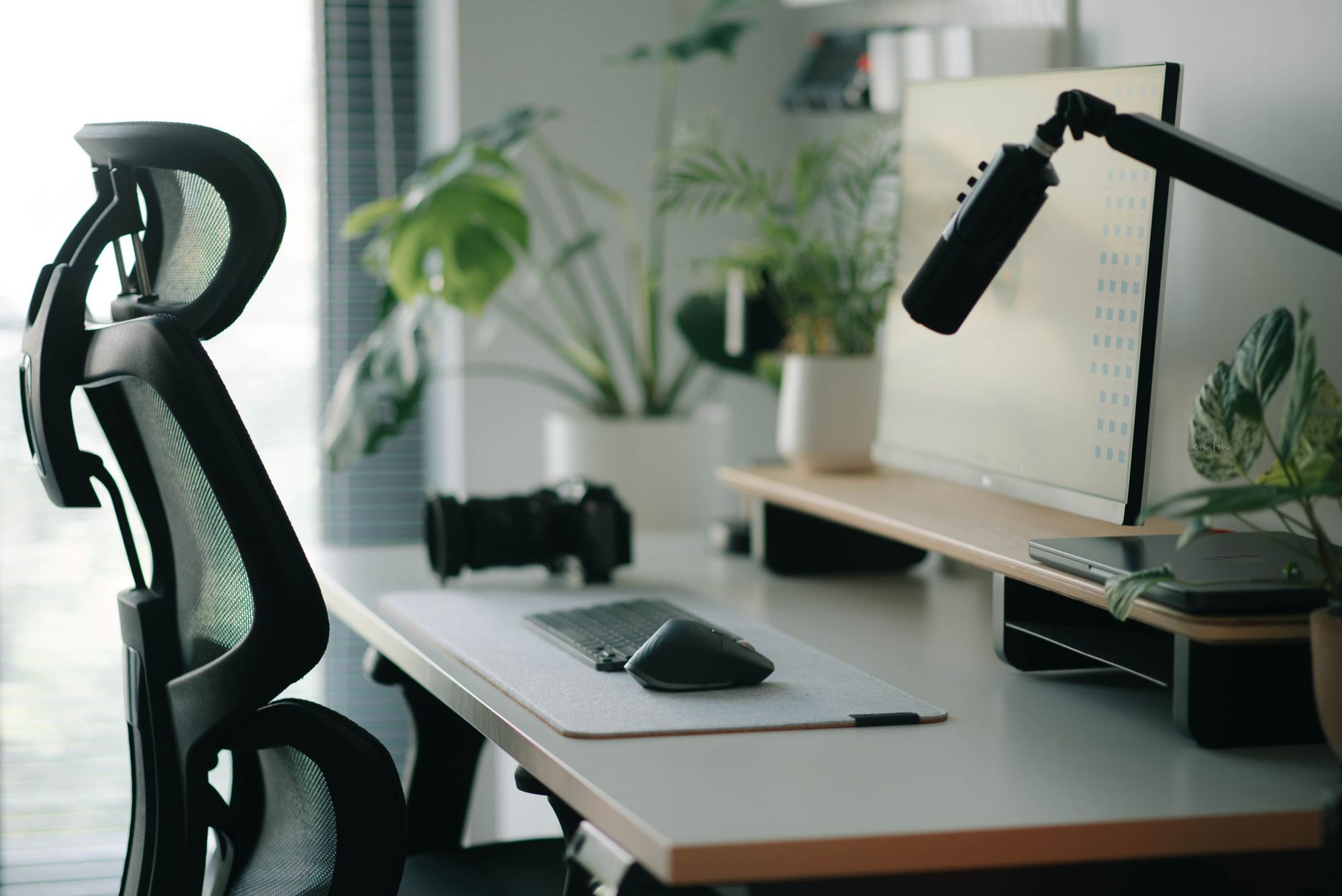
 Photo: Kampus Production / Pexels
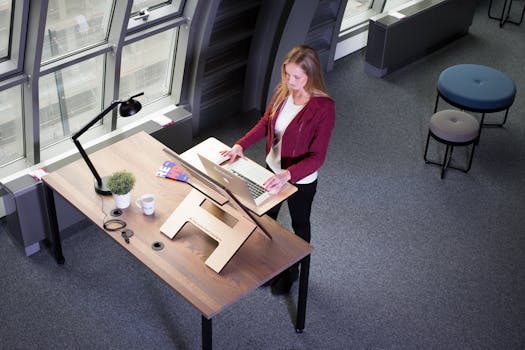 Photo: Standsome Worklifestyle / Pexels
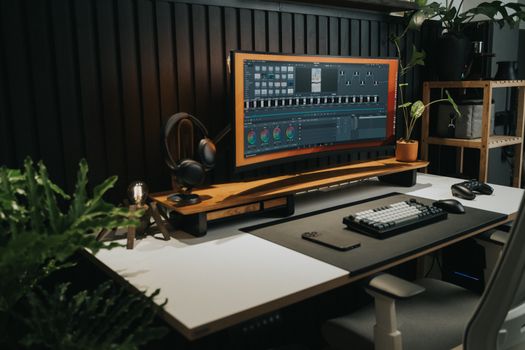 Photo: Minh Phuc / Pexels
 Photo: Ivan S / Pexels