Unlock Your Potential: Adult Learning Centers in New York City
adult learning centers new york city

Unlock Your Potential: Adult Learning Centers in New York City

Explore diverse educational pathways for personal and professional growth right here in the heart of NYC.

Find Your Program Today

Key Takeaways

  • ✓ New York City offers over 100 accredited adult learning centers.
  • ✓ Programs range from vocational training to degree completion and hobby classes.
  • ✓ Many centers provide financial aid, scholarships, and flexible scheduling options.
  • ✓ Adult education significantly boosts career prospects and personal development.

How It Works

1
Define Your Goals

Identify what you want to achieve, whether it's career advancement, skill acquisition, or personal enrichment. This clarity will guide your search.

2
Research Local Centers

Explore the diverse adult learning centers available in New York City, considering their program offerings, location, and student support services.

3
Apply and Enroll

Complete the application process for your chosen program, which may include assessments or interviews. Secure your spot and prepare for your learning journey.

4
Engage and Grow

Actively participate in your classes, leverage available resources, and network with peers and instructors to maximize your learning experience and outcomes.

The Transformative Power of Adult Education in NYC

Diverse group of students engaged in a collaborative technical class discussion in a workshop setting. Photo: ThisIsEngineering / Pexels
New York City, a global hub of innovation and opportunity, is also a beacon for lifelong learning. The city's adult learning centers are not just places to acquire new skills; they are vibrant communities designed to foster personal growth, career transformation, and intellectual curiosity for individuals of all ages and backgrounds. Whether you're looking to pivot careers, earn a high school equivalency diploma, master a new language, or simply explore a passion, the sheer diversity and quality of programs available across the five boroughs are unparalleled. These centers recognize that learning doesn't stop after traditional schooling; in fact, it's a continuous journey that can redefine your trajectory at any stage of life. The landscape of adult education in NYC is incredibly rich, encompassing everything from vocational schools specializing in high-demand trades like IT, healthcare, and culinary arts, to university-affiliated continuing education departments offering advanced certifications and professional development courses. Community-based organizations often provide foundational literacy and ESL programs, ensuring that everyone has access to essential skills. Beyond the practical benefits of enhanced employability and higher earning potential, engaging with adult learning centers offers profound personal rewards. It can boost self-confidence, expand your social network, and open your mind to new perspectives. Many programs are specifically designed with the adult learner in mind, featuring flexible schedules, online options, and accelerated formats to accommodate busy lives. This flexibility is crucial in a fast-paced city like New York, allowing individuals to balance their studies with work, family, and other commitments. Moreover, the instructors at these institutions are often industry professionals, bringing real-world experience and insights directly into the classroom. This practical approach ensures that the skills learned are immediately applicable and relevant to current market demands. The collaborative environment often found in adult learning settings also provides invaluable networking opportunities, connecting students with peers who share similar ambitions and professionals who can offer mentorship and guidance. Embarking on an adult learning journey in New York City means tapping into a vast ecosystem of support and resources. Many centers offer career counseling, job placement assistance, and workshops on resume writing and interview skills, making the transition from student to professional seamless. The city itself acts as an extended classroom, with countless cultural institutions, businesses, and organizations providing context and inspiration for learners. From the arts and sciences to technology and business, every sector in NYC is represented within its adult education offerings. The commitment to inclusivity is also evident, with many centers providing services for individuals with disabilities, recent immigrants, and those seeking to overcome educational barriers. The investment in adult learning is an investment in the individual, the community, and the economic vitality of New York City as a whole. It underscores the belief that education is a right, not a privilege, and that everyone deserves the chance to reach their full potential. For more insights into specialized programs, explore advanced professional development courses.

Navigating the Diverse Offerings: From Vocational to Academic

Mature teacher interacting with diverse students using laptops in a spacious lecture hall setting. Photo: Yan Krukau / Pexels
The sheer breadth of programs available through adult learning centers in New York City can be both exciting and, at times, a little overwhelming. To make an informed decision, it's helpful to categorize the types of offerings and understand what each specializes in. **Vocational and Technical Training Centers:** These institutions are designed for individuals seeking to acquire specific, job-ready skills quickly. Think of fields like IT support, cybersecurity, medical assisting, HVAC repair, electrical work, plumbing, culinary arts, and paralegal studies. Programs are typically hands-on, intensive, and often culminate in a certification or licensure necessary for immediate employment. Many vocational schools have strong ties to local industries, offering internship opportunities and robust job placement services. For those looking to make a swift career change or enter a high-demand trade, these centers are an excellent choice, providing a clear pathway from classroom to career. They often focus on practical application over theoretical knowledge, ensuring graduates are equipped with the competencies employers seek. **Community Colleges and University Extension Programs:** Institutions like the City University of New York (CUNY) and State University of New York (SUNY) systems, along with private universities, offer extensive continuing education departments. These programs are incredibly versatile, ranging from credit-bearing courses that can lead to an associate's or bachelor's degree, to non-credit professional certificates and personal enrichment classes. You might find programs in business management, marketing, graphic design, foreign languages, creative writing, data analytics, and much more. These options are ideal for those looking to advance their academic credentials, gain specialized knowledge for career progression, or simply pursue intellectual interests without the commitment of a full-time degree program. They often provide a more academic environment, with opportunities to engage with university faculty and resources. **Community-Based Organizations (CBOs) and Non-Profits:** Scattered throughout NYC's neighborhoods, CBOs play a crucial role in providing accessible adult education, often at low or no cost. Their offerings frequently include English as a Second Language (ESL) classes, High School Equivalency (HSE) preparation (GED, TASC, HiSET), basic literacy, digital literacy, and job readiness workshops. These centers are often deeply embedded in the communities they serve, offering personalized support, cultural integration services, and a welcoming environment for learners who may face significant barriers to education. They are foundational for many individuals seeking to build essential skills and integrate into the workforce and society. **Specialized Arts and Hobbies Centers:** Beyond career and academic pursuits, NYC also boasts numerous centers dedicated to creative arts, crafts, and hobbies. From photography and pottery to music and dance, these institutions offer classes for all skill levels, providing an outlet for creativity and personal expression. While not directly career-focused, developing such skills can enhance well-being and provide a valuable balance to professional life. When choosing, consider your long-term goals, time commitment, budget, and learning style. Research specific program curricula, instructor qualifications, and student success rates. Attending open houses or information sessions can also provide valuable insights and help you connect with the learning community.

Funding Your Future: Financial Aid and Support Systems in NYC

Smiling multiracial male classmates sitting at table and browsing netbook while taking notes in notebook Photo: Armin Rimoldi / Pexels
One of the most common concerns for adults considering further education is the cost. Fortunately, New York City's commitment to lifelong learning extends to providing robust financial aid and support systems to help make adult learning accessible to everyone. Navigating these options can seem daunting, but with a clear understanding, you can unlock significant resources to fund your educational journey. **Federal and State Financial Aid:** Many accredited adult learning centers, especially community colleges and university extension programs, are eligible for federal financial aid programs. This includes the Free Application for Federal Student Aid (FAFSA), which can unlock Pell Grants (for undergraduate students with exceptional financial need), federal student loans, and work-study programs. New York State also offers its own aid programs, such as the Tuition Assistance Program (TAP) and various scholarships for residents. It's crucial to complete the FAFSA as early as possible each year to determine your eligibility for these critical resources. Even if you think you won't qualify, it's always worth applying, as many aid packages are a combination of grants, scholarships, and loans. **Scholarships and Grants:** Beyond federal and state aid, a vast array of scholarships and grants are available specifically for adult learners. These can come from the adult learning centers themselves, private foundations, professional organizations, and local community groups. Some scholarships target specific demographics, such as women returning to school, veterans, minority groups, or individuals pursuing particular fields of study. Websites like Scholarship.com, Fastweb, and local NYC-based scholarship databases are excellent starting points. Don't overlook smaller, local scholarships; they often have fewer applicants and higher chances of success. Researching scholarships related to your chosen field or personal background can yield significant results. **Payment Plans and Employer Reimbursement:** Many adult learning centers understand the financial constraints of their students and offer flexible payment plans, allowing you to pay tuition in installments rather than a lump sum. Additionally, if you are currently employed, inquire with your employer about tuition reimbursement programs. Many companies invest in their employees' professional development and will cover a portion or all of your educational expenses if the program is relevant to your job. This is a highly underutilized benefit that can significantly reduce your out-of-pocket costs. **Workforce Development and Training Programs:** New York City's Department of Small Business Services (SBS) and other workforce development organizations often offer free or subsidized training programs aimed at upskilling residents for high-demand jobs. These programs typically include vocational training, certifications, and job placement assistance. They are particularly valuable for individuals seeking to enter new industries or enhance their current career prospects without incurring significant debt. Resources like the NYC Workforce Development Board can provide information on available programs. **Veterans' Benefits:** If you are a veteran, you may be eligible for significant educational benefits through the GI Bill and other programs. These benefits can cover tuition, housing, and other expenses. Contact the veterans' affairs office at your chosen adult learning center or the NYC Department of Veterans' Services for guidance. Remember, the financial aid office at your prospective adult learning center is your best ally. They can provide personalized guidance, help you complete applications, and inform you about all available resources. Don't let financial concerns deter you from pursuing your educational goals in New York City. For more details on making smart financial choices, refer to budgeting for adult education.

Maximizing Your Learning Experience: Tips and Common Pitfalls
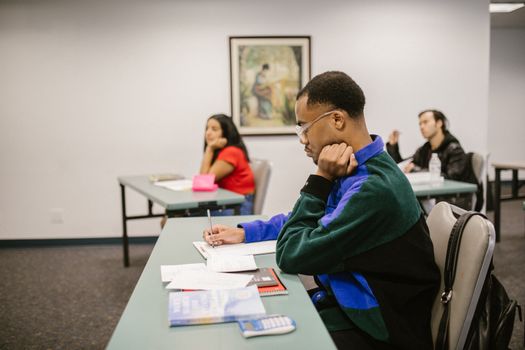
University students focused and studying during an exam, surrounded by desks and study material in a classroom setting. Photo: RDNE Stock project / Pexels
Embarking on an adult learning journey in New York City is an exciting step, but success often hinges on strategic planning and avoiding common missteps. Here are essential tips to help you maximize your experience and navigate potential challenges: **Tips for Success:** * **Set Clear, Realistic Goals:** Before enrolling, define what you hope to achieve. Is it a promotion, a career change, a new skill, or personal enrichment? Clear goals will keep you motivated and help you choose the right program. Be realistic about the time and effort you can commit. * **Time Management is Key:** As an adult learner, you likely juggle work, family, and other responsibilities. Develop a strict study schedule and stick to it. Utilize planners, digital calendars, and block out dedicated study times. Even small, consistent chunks of time can add up. * **Engage Actively:** Don't be a passive learner. Participate in discussions, ask questions, join study groups, and seek feedback from instructors. Active engagement enhances comprehension and retention. * **Leverage Resources:** Adult learning centers offer a wealth of support services, including tutoring, career counseling, writing centers, and library access. Don't hesitate to use them; they are there to help you succeed. * **Network with Peers and Instructors:** Your classmates and instructors are valuable resources. Networking can open doors to new opportunities, provide support, and offer different perspectives. Many lasting professional connections are forged in these environments. * **Prioritize Self-Care:** Adult learning can be demanding. Ensure you get enough rest, eat well, and make time for activities you enjoy. Burnout is real, and self-care is crucial for sustained performance. **Common Pitfalls to Avoid:** * **Overcommitting:** Taking on too many courses or responsibilities simultaneously can lead to overwhelm and poor performance. Start with a manageable workload and gradually increase it if you feel capable. * **Isolation:** Studying alone can be isolating. Avoid withdrawing from your peers and the learning community. Engage in group activities and seek out opportunities for collaboration. * **Procrastination:** It's easy to put off assignments when juggling multiple demands. Break down large tasks into smaller, manageable steps and set mini-deadlines to stay on track. * **Ignoring Feedback:** Constructive criticism is a gift. Don't take feedback personally; instead, use it as an opportunity to learn and improve your skills. * **Not Asking for Help:** If you're struggling, whether academically, financially, or personally, reach out. Instructors, advisors, and support staff are there to assist you. Hiding difficulties only makes them worse. * **Focusing Only on Grades:** While grades are important, the true value of adult learning lies in the knowledge gained, skills acquired, and personal growth achieved. Focus on learning and understanding the material, and good grades will often follow naturally. By being proactive and mindful of these tips and pitfalls, you can transform your adult learning experience in NYC into a truly rewarding and successful journey.

Comparison

FeatureGeneral Assembly (Tech/Design)CUNY Adult & Continuing EdNYC Public Library (Literacy/ESL)
Program FocusCoding, UX, Data, MarketingDegree, Certificates, EnrichmentLiteracy, HSE, ESL
Cost RangeHigh (bootcamps)Moderate (per credit/course)Low to Free
FlexibilityIntensive, Full/Part-timeVaried, Online optionsFlexible, Community-based
Career Support
AccreditationIndustry RecognizedRegional UniversityCommunity Focused

What Readers Say

"I enrolled in a medical coding program at a center in Manhattan, and it changed my life. The instructors were incredibly knowledgeable, and the career services team helped me land a job within three months of graduation. I finally feel like I have a stable, fulfilling career."

Maria S. · Queens, NY

"As an immigrant, the free ESL classes at my local community center were a lifeline. I not only improved my English but also gained confidence and connected with other new New Yorkers. It truly opened up opportunities for me."

David L. · Brooklyn, NY

"After years out of the workforce, I needed to refresh my skills. The digital marketing certificate program I took through CUNY's continuing education department was exactly what I needed. I secured a marketing coordinator role shortly after completing the program, thanks to their practical curriculum and networking events."

Sarah K. · Bronx, NY

"The IT support bootcamp was challenging but very rewarding. I wish there had been more one-on-one mentorship available, but the curriculum was current, and the instructors were generally very good. I'm now confidently working in a tech role."

Ethan R. · Staten Island, NY

"I took a ceramics class purely for personal enjoyment, and it was fantastic. The studio was well-equipped, the instructor was inspiring, and it was a wonderful way to de-stress and tap into my creative side after work. Highly recommend for hobbyists!"

Jessica T. · Manhattan, NY

Frequently Asked Questions

What types of programs are offered at adult learning centers in New York City?

Adult learning centers in New York City offer a vast array of programs, including vocational training (e.g., IT, healthcare, culinary), academic courses (e.g., degree completion, professional certificates), basic literacy and ESL, high school equivalency preparation, and personal enrichment classes in arts, crafts, and hobbies. The diversity ensures options for every goal and skill level.

Are adult learning centers in NYC only for career advancement?

No, while many programs are geared towards career advancement and skill development, adult learning centers also cater to personal enrichment, hobby pursuits, and foundational education like ESL and high school equivalency. They serve a wide spectrum of needs, from professional growth to intellectual curiosity and community integration.

How do I choose the right adult learning center for my needs?

To choose the right center, first define your goals (career, personal, academic). Then, research programs, faculty credentials, accreditation, cost, and scheduling flexibility. Read reviews, attend information sessions, and consider the center's location and support services like career counseling or financial aid assistance to ensure it aligns with your specific requirements.

What is the typical cost of attending adult learning centers in NYC?

The cost varies significantly. Some community-based programs for literacy or ESL are free or very low-cost. Vocational bootcamps can range from a few thousand to over ten thousand dollars, while university continuing education courses are priced per credit or course. Many centers offer financial aid, scholarships, and payment plans to make education affordable.

How do adult learning centers compare to traditional universities for career changers?

Adult learning centers, especially vocational schools and certificate programs, often provide more direct, accelerated pathways to new careers with a strong focus on practical skills and industry connections. Traditional universities might offer broader academic degrees, which can be more time-consuming but provide a deeper theoretical foundation. The best choice depends on your desired speed, depth, and specific career goals.

Who should consider enrolling in adult learning centers in New York City?

Anyone looking to upskill for a promotion, change careers, earn a high school equivalency, improve English language skills, pursue a passion, or simply engage in lifelong learning should consider adult learning centers. They are ideal for individuals seeking flexible, practical, and supportive educational environments at any stage of life.

Are adult learning centers in NYC safe and reputable?

Yes, the vast majority of adult learning centers in NYC are safe, reputable, and often accredited by recognized educational bodies. It's always wise to check for accreditation, read reviews, and visit the facility if possible to ensure it meets your standards. The city has a strong regulatory framework for educational institutions.

What future trends are impacting adult learning centers in New York City?

Future trends include a greater emphasis on micro-credentials and stackable certifications, increased integration of AI and data science into curricula, expansion of online and hybrid learning models for flexibility, and stronger partnerships with local industries to ensure curriculum relevance and direct job placement opportunities. Personalized learning paths are also becoming more prevalent.

New York City's adult learning centers offer an unparalleled opportunity to invest in yourself and your future. Whether you seek professional advancement, a new skill, or personal enrichment, a program exists to meet your needs. Explore the possibilities today and unlock your full potential in the greatest city in the world.

Topics: adult learning centers new york cityadult education NYCcontinuing education New Yorkskill development NYCcareer change programs NYC
Leo List
Brampton weed
Adultwork