Unwind with Adult Coloring Books for Anxiety Relief
June 25, 2026 16 min read 3,215 words
Transform your daily stress into calm and creativity with the simple, yet profound, act of coloring.
Start Coloring Now
The Therapeutic Power of Adult Coloring Books for Anxiety
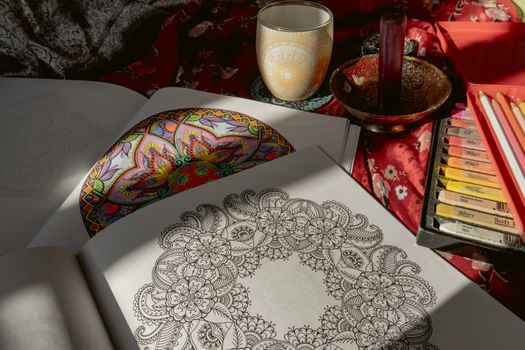 Photo: Yeşim Çolak / Pexels
In an increasingly fast-paced and demanding world, finding effective coping mechanisms for anxiety has become more crucial than ever. While various strategies exist, from meditation to professional therapy, one surprisingly simple yet profoundly effective tool has emerged: adult coloring books. Far from being a childish pastime, adult coloring has garnered significant attention from psychologists, therapists, and millions of individuals seeking a tangible way to quiet their anxious minds. The appeal lies in its accessibility, affordability, and the immediate sense of calm it can provide. But what exactly makes adult coloring books for anxiety such a powerful therapeutic aid?
At its core, coloring engages multiple parts of the brain in a way that promotes relaxation and reduces stress. When you pick up a colored pencil and begin to fill in an intricate design, your focus shifts. The act of choosing colors, staying within the lines, and observing the patterns demands a level of concentration that naturally pulls your attention away from intrusive anxious thoughts. This redirection isn't about avoidance; it's about creating a mental space where your mind can reset and find equilibrium. This focused attention mirrors aspects of mindfulness meditation, where individuals concentrate on a single anchor, like their breath, to remain in the present moment. The repetitive, rhythmic motion of coloring further enhances this meditative state, helping to slow down racing thoughts and lower physiological arousal associated with anxiety. It's a gentle, non-threatening way to practice mindfulness without the perceived difficulty or formality of traditional meditation techniques.
Moreover, the process of coloring stimulates creativity and allows for a sense of accomplishment. In moments of anxiety, individuals often feel a loss of control. Coloring, however, offers a small, manageable task where you are entirely in charge. You choose the colors, the patterns, and the pace. Completing a section or an entire page provides a tangible result, fostering a sense of mastery and boosting self-esteem, which can be particularly beneficial for those struggling with anxiety-induced self-doubt. The visual satisfaction of a finished piece can also contribute to a positive emotional state, reinforcing the calming effects of the activity. It's a low-stakes creative outlet that doesn't require artistic talent, making it approachable for everyone, regardless of their background or perceived artistic ability. This ease of entry is a significant factor in its widespread adoption as an anxiety-relief tool. For more insights on managing stress, explore various
stress-reduction techniques.
Beyond the mental benefits, there are physiological responses to coloring that contribute to anxiety reduction. Studies suggest that engaging in creative activities like coloring can lower heart rate and blood pressure, reducing the physical symptoms often associated with anxiety. The activation of the frontal lobe, responsible for organization and problem-solving, during coloring helps to calm the amygdala, the part of the brain that processes emotions like fear and anxiety. By diverting resources to more structured, creative tasks, the brain becomes less reactive to perceived threats, allowing for a state of peace. This neurological interplay underscores why adult coloring books for anxiety aren't just a distraction, but a legitimate therapeutic intervention. The combination of mental engagement, creative expression, and physiological calm makes them an invaluable resource for anyone seeking to navigate the complexities of anxiety with greater ease and presence. It's a simple act with profound implications for mental well-being, offering a much-needed respite from the constant demands of modern life.
Choosing the Right Adult Coloring Books for Anxiety Relief
Photo: Yeşim Çolak / Pexels
With the explosion in popularity of adult coloring books, the market is now flooded with countless options, making the selection process almost as overwhelming as the anxiety you're trying to alleviate. However, choosing the right adult coloring book for your specific needs is crucial to maximizing its therapeutic benefits. Not all coloring books are created equal when it comes to anxiety relief, and understanding the nuances of different styles and themes can significantly enhance your experience. The goal is to find designs that resonate with you, provide the right level of challenge, and ultimately promote a sense of calm rather than frustration.
One of the primary considerations is the complexity of the patterns. While intricate designs can be highly engaging and effective for diverting attention from anxious thoughts, overly complex patterns with tiny spaces might lead to frustration for some, especially those new to coloring or experiencing high levels of anxiety. For beginners or those seeking immediate, effortless calm, simpler designs with larger areas to fill might be more appropriate. Mandalas, often considered sacred geometric patterns, are particularly popular for anxiety relief due to their symmetrical and repetitive nature. The act of coloring a mandala from the center outwards, or vice versa, can be deeply meditative, creating a sense of balance and order. Nature-themed books featuring flora, fauna, or landscapes also tend to be very soothing, connecting us to the natural world and its inherent tranquility. Abstract patterns, on the other hand, offer more freedom for color choice and can be excellent for fostering pure creative expression without the pressure of realism.
Another important aspect is the type of paper and binding. High-quality paper prevents bleed-through if you're using markers or gel pens and allows for smoother application of colored pencils, enhancing the overall sensory experience. Lay-flat binding or spiral-bound books are often preferred as they make it easier to color without battling a closing book, reducing a potential source of irritation. Consider also the size of the book; smaller, more portable books can be great for on-the-go anxiety relief, while larger formats might be better for dedicated sessions at home. The theme of the book can also play a significant role. Do you prefer whimsical, fantasy, or realistic themes? Books specifically marketed as 'anti-stress' or 'mindfulness' coloring books often feature designs and quotes intended to promote calm and positive introspection, which can be an added benefit.
Ultimately, the best adult coloring book for anxiety is a personal choice. It's about finding what brings you joy, peace, and a sense of flow. Don't be afraid to experiment with different styles, artists, and themes. Many people find that having a variety of books caters to different moods or levels of anxiety. One day, a complex gothic pattern might be just what you need to fully immerse yourself, while another day, a simple floral design might offer the gentle escape you seek. Visiting a local bookstore or craft store to flip through pages and get a feel for the designs and paper quality can be incredibly helpful. The tactile experience of holding the book and envisioning yourself coloring it can guide you to the perfect companion for your anxiety relief journey. Remember, the journey itself, the act of engagement, is far more important than the finished product.
Maximizing the Benefits: Tips for Using Adult Coloring Books for Anxiety
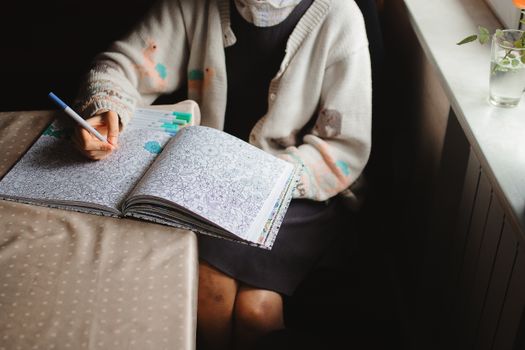 Photo: Alina Levkovich / Pexels
While the act of coloring itself is inherently calming, there are several ways to enhance your experience and maximize the anxiety-reducing benefits of adult coloring books. Turning this simple activity into a deliberate practice can significantly amplify its therapeutic potential. It’s not just about filling in spaces with color; it's about creating a ritual, a dedicated time and space where you can consciously disengage from stressors and reconnect with your inner calm. By incorporating a few intentional strategies, you can transform your coloring sessions into powerful tools for mental well-being and
personal growth.
First and foremost, create a dedicated, distraction-free environment. This means putting away your phone, turning off the TV, and finding a quiet corner where you won't be interrupted. Treat your coloring time as sacred, a period reserved solely for self-care. Dim the lights, light a candle, or play some calming instrumental music if that helps you relax. The goal is to minimize external stimuli that can pull your mind back into anxious thought patterns and instead foster an atmosphere conducive to mindfulness. This deliberate act of setting the stage signals to your brain that it's time to switch gears and enter a state of focused relaxation. The more consistently you do this, the more your mind will associate this environment with peace and tranquility, making it easier to slip into a calm state each time you color.
Next, pay attention to your breathing. As you color, consciously take slow, deep breaths. Inhale deeply through your nose, hold for a few seconds, and exhale slowly through your mouth. This simple practice of diaphragmatic breathing activates the parasympathetic nervous system, which is responsible for the body's 'rest and digest' response, counteracting the 'fight or flight' response often triggered by anxiety. Coordinating your breath with the rhythmic motion of coloring can deepen the meditative effect, further grounding you in the present moment. Observe the colors, the textures of your tools, and the subtle movements of your hand. Engage all your senses in the process, allowing yourself to be fully absorbed. Don't judge your artistic ability; the purpose isn't to create a masterpiece but to experience the process of creation and the calm it brings. Embrace imperfections and allow yourself to simply be.
Finally, don't underestimate the power of variety and experimentation. While you might have a favorite coloring book or set of pencils, trying new tools or designs can keep the activity fresh and engaging. Experiment with different color palettes – some people find cool blues and greens more calming, while others prefer the vibrancy of warm colors to lift their spirits. Consider investing in a range of coloring tools, from fine-tip markers for intricate details to broader pencils for larger areas, to see what you enjoy most. You might also explore themed books that align with your current emotional needs, such as books with uplifting quotes or patterns designed to promote gratitude. Remember that consistency is key; even short, regular coloring sessions can accumulate significant benefits over time. Make it a habit, a reliable anchor in your daily routine, and you'll soon discover the profound impact adult coloring books for anxiety can have on your overall well-being. It's a gentle invitation to pause, breathe, and rediscover a sense of peace in a chaotic world.
Common Mistakes to Avoid When Using Adult Coloring Books for Anxiety
Photo: Alina Levkovich / Pexels
While adult coloring books are generally a low-stress, highly beneficial tool for anxiety relief, it's possible to inadvertently undermine their effectiveness if you're not mindful of certain pitfalls. Avoiding common mistakes can help ensure your coloring sessions are truly therapeutic and don't add to your existing stress. The goal is relaxation and mindfulness, not another source of pressure or self-criticism. By being aware of these potential traps, you can optimize your coloring experience and harness its full potential for managing anxiety.
One of the most frequent mistakes is treating coloring as another chore or a task to be completed perfectly. The beauty of adult coloring for anxiety is its lack of rules and judgment. If you find yourself striving for perfection, criticizing your color choices, or getting frustrated if you go outside the lines, you're missing the point. This perfectionistic mindset can actually increase anxiety rather than reduce it. Remember, there's no right or wrong way to color. Allow yourself to be messy, experiment, and embrace the process over the outcome. The finished product is secondary to the mental journey you undertake while coloring. Let go of expectations and simply enjoy the act of creation.
Another common error is coloring in a distracting environment. Trying to color while simultaneously watching TV, scrolling through social media, or engaging in a conversation will significantly diminish the mindfulness benefits. Your brain needs to fully engage with the coloring task to reap its calming rewards. Multitasking dilutes your focus and prevents you from entering the meditative state that makes coloring so effective for anxiety. As mentioned earlier, create a dedicated, quiet space where you can fully immerse yourself without interruption. This commitment to a distraction-free zone is crucial for allowing your mind to truly unwind.
Here's a list of other mistakes to avoid:
* **Over-scheduling your coloring:** Don't force yourself to color if you're not in the mood or feel too rushed. This can turn a relaxing activity into another source of stress. Instead, integrate it naturally into your downtime.
* **Using uncomfortable tools:** Poor quality pencils that break easily or markers that bleed through thin paper can lead to frustration. Invest in decent quality supplies that enhance your experience, not detract from it.
* **Comparing your work to others:** Social media can be a double-edged sword. While it's inspiring to see others' beautiful creations, comparing your work can lead to feelings of inadequacy. Focus on your personal journey and enjoyment.
* **Ignoring your body:** Pay attention to your posture and hand comfort. Hunching over or gripping your pencils too tightly can lead to physical discomfort, which counteracts relaxation. Take breaks, stretch, and ensure you're comfortable.
* **Expecting immediate miracles:** While coloring can offer immediate relief, sustained anxiety management requires consistent practice and often, a combination of strategies. Don't get discouraged if one session doesn't completely erase all your worries. It's a tool for ongoing support.
By avoiding these common pitfalls, you can transform your adult coloring experience into a truly restorative and effective practice for managing anxiety, allowing you to fully embrace the calm and creativity it offers.
